Cooking plaice Recipes - AFTouch-Cuisine
Welcome to the delicate and flavourful world of plaice, that flat fish which has won over the tables of the greatest restaurants and family kitchens for centuries. If you think plaice is a complicated fish to prepare, let me reassure you: it is actually one of the most accessible and rewarding to cook, provided you know a few simple secrets.
Plaice, or flounder to those in the know, is a delicate white fish originating from the Atlantic coasts and the English Channel. Its culinary history dates back to medieval times, when it was already highly prized by French nobility. Why? Because it offers tender, fine flesh that is slightly sweet, with very few bones. It is the ideal fish for those who fear bones, but also for cooks seeking to elevate a quality ingredient with the greatest simplicity.
Before you begin cooking, a few essential principles: plaice is a delicate fish that demands respect. First, choose fresh plaice, recognisable by their firm flesh and clear eyes. The secret to good cooking lies in mastering temperature and time. Contrary to what one might think, plaice does not require hours of cooking, quite the opposite. A fish that cooks too long becomes dry and loses all its charm.
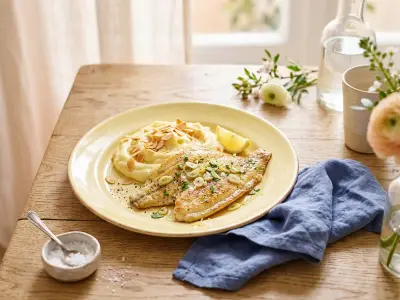
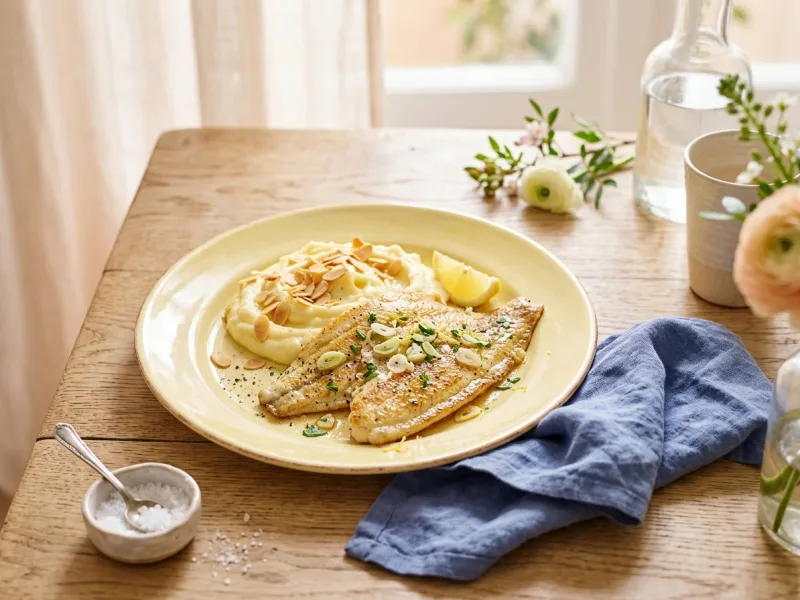
There are numerous cooking methods and all can yield excellent results depending on your preference. Pan-frying is undoubtedly the most popular: a few minutes on each side in a little foaming butter, and your plaice is ready. Allow approximately three to four minutes per side for a medium-sized plaice. The butter here is no small detail: it protects the delicate flesh and gives it an appetising golden hue.
Oven cooking is another wonderful approach, especially if you are looking for a less stressful method. Wrap your plaice in parchment paper with some herbs, a squeeze of lemon and a little oil, and bake at 180 degrees for ten minutes. This is what cooks call papillote, a classic French technique that preserves all the aromas and moisture of the fish.
Do not overlook steaming either, particularly appreciated by food enthusiasts who wish to taste the fish in all its purity. With a steamer basket and just a few minutes, you will obtain tender and delicate flesh. It is such a refined method that it calls for tasty accompaniments to reveal all the subtlety of the plaice.
The most important trick remains the internal temperature: your plaice is cooked when its flesh becomes opaque and flakes easily. Do not let it cook beyond that, or you will lose all the tenderness that gives this fish its charm. A kitchen thermometer can help if you are unsure, aiming for an internal temperature of 63 to 65 degrees.
The accompaniments are simple: fresh lemon, light beurre blanc, small seasonal vegetables, delicate Normandy sauce. Plaice does not call for complications. It simply wishes to be treated with gentleness and respect, highlighted by complementary flavours rather than overwhelmed.
So, ready to discover how to transform this magnificent fish into a restaurant-quality dish in your own kitchen? Explore our recipes and let yourself be guided towards an authentic culinary experience. Plaice awaits you!