Making foie gras Recipes - AFTouch-Cuisine
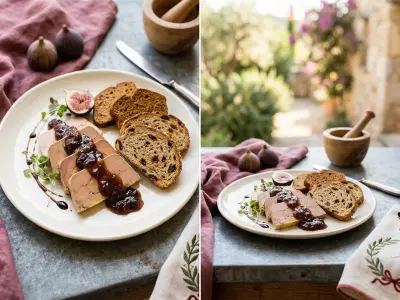
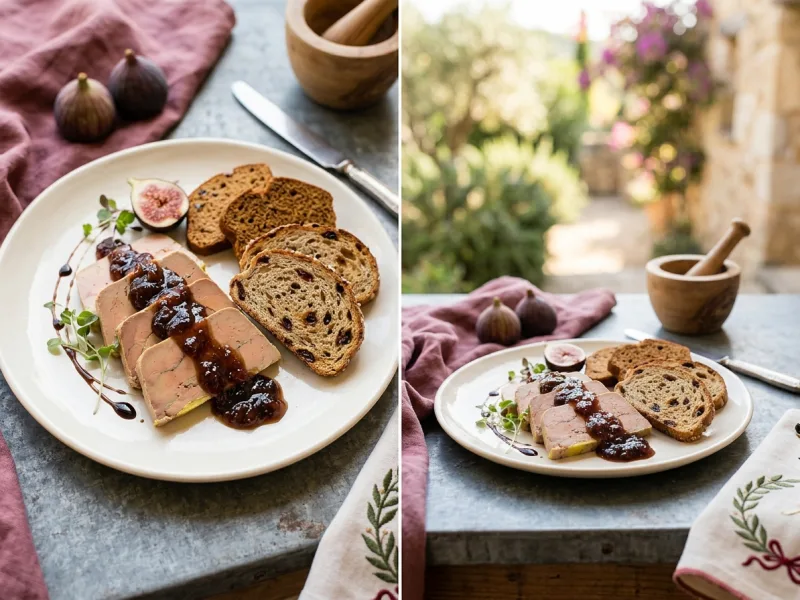
Making your own foie gras at home is a bit like joining a very exclusive club of discerning food lovers. And we guarantee it, once you've tasted your own creation, you'll never look at foie gras the same way again. This ancestral preparation, which the Romans already savoured, holds no mystery or inaccessibility. All it takes is patience, quality ingredients, and a touch of technique.
Foie gras is far more than a simple culinary ingredient, it's a symbol of French gastronomy, a tradition passed down through the centuries. The Egyptians discovered that they could increase the volume of duck liver by force-feeding, but it was our French ancestors who turned it into an art of living. Today, preparing your own foie gras at home amounts to honouring this beautiful heritage while impressing your guests.
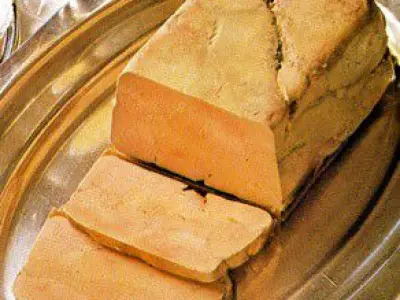
Perhaps you're wondering where to start? That's perfectly normal. The first step is to source a quality liver, raw or cooked, whole or in pieces depending on your project. brunocadet got it right when sharing his experience with us, telling us he already prepares his own foie gras from frozen livers, an excellent budget-friendly option for beginners. If you're considering a beautiful terrine presentation, opt for a whole liver if possible. For pâtés and more rustic preparations, pieces will work just fine.
Our recipes offer several approaches depending on your level and culinary ambitions. Duck foie gras is the ideal starting point for learning the basics, deveining, delicate seasoning, and controlled cooking. If you're drawn more to sophistication, Foie gras terrine with sweet spices will let you explore how flavours like cinnamon, nutmeg, or quatre-épices can elevate this delicate preparation. For those who love more complex flavours and refined texture, Foie gras d'oie terrine offers a different nobility, as goose foie gras is traditionally reserved for the grandest occasions.
What makes homemade preparation truly special is that it lets you control every detail, the seasoning, salt fine, white pepper, not too generous, the terrine that refines over the days, and that immense satisfaction of serving something you've created with your own hands.
A little tip from the Chef, foie gras prepared cold or warm keeps better and offers a silkier texture. And know that contrary to what some might think, you don't need sophisticated equipment. A good porcelain terrine, some cling film, and your refrigerator will be more than enough.
For the occasion, you can also explore how to serve your masterpiece, on Crêpes sans oeufs à la vanille for a delicious sweet-savoury contrast, or in a lovely Entrée de Noel that will embrace traditional festive flavours. The possibilities are many.
So, ready to give it a try? Your homemade foie gras awaits. It's time to discover why this preparation has fascinated food lovers for so many centuries.