Cooking juice Recipes - AFTouch-Cuisine
Cooking jus is a bit like a chef's invisible signature. While many people casually throw out this precious liquid sitting at the bottom of their pot, true enthusiasts know it's liquid gold. This sauce base, loaded with concentrated flavors and cooking memories, represents centuries of French culinary tradition. It's the soul of the dish that refuses to disappear.
Historically, cooking jus wasn't a luxury reserved for royal tables, but rather a matter of economic survival. Our grandmothers cooked with wisdom: nothing was wasted, everything was transformed. A marrow bone, tired vegetables, a few herbs from the garden, and out emerged a velvety broth capable of elevating any piece of meat. The tradition of French sauce bases was built on this philosophy of respecting ingredients and optimization. In the 17th century, the cooks of Louis XIV were already perfecting these techniques, transforming cooking residues into aromatic essences that were the pride of princely menus.
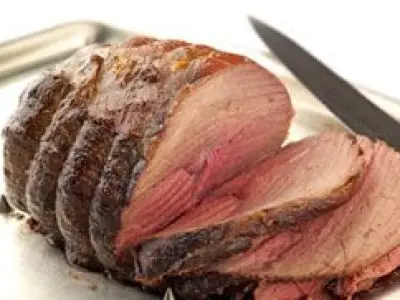
But practically speaking, what is cooking jus? It's the collection of vegetable and animal juices released during cooking, mixed with fats, the natural caramels from meat or vegetables, and the aromas that have concentrated during the process. Every ingredient cooked tells a story through its jus. Take our Beef Roast: as LucBXL shares in his comment on this recipe, mastering the cooking determines the quality of the final jus. This jus, carefully deglazed, becomes a rich and velvety sauce, capable of transforming a simple slice of meat into a memorable gastronomic experience.
The deglazing technique is fundamental. After sautéing your meat or vegetables, simply pour a liquid (wine, broth, water) into the still-hot pot to release the caramelized cooking residues, called "sucs". These small brownish crystals that seem insignificant actually contain an extraordinary concentration of flavors. It's the magic of culinary chemistry: the Maillard reaction, the process that gives our roasts that beautiful golden color, creates thousands of aromatic compounds that the jus captures perfectly.
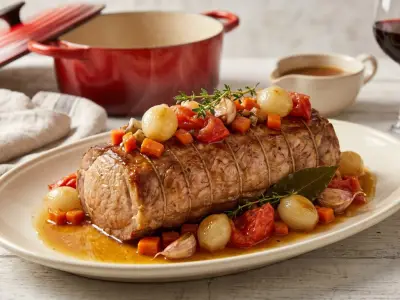
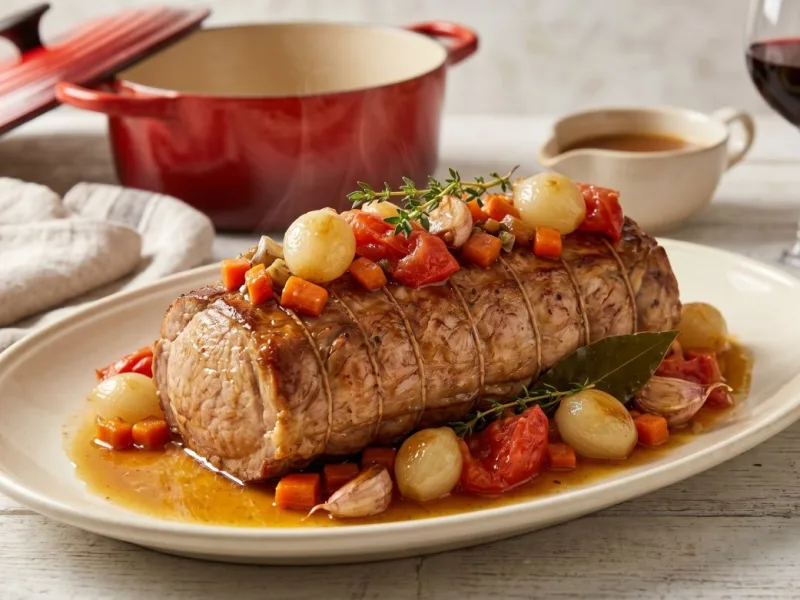
Our recipes offer varied applications of this technique. For a Veal Roast, more delicate, the jus will be more subtle, often completed with a touch of cream or a splash of champagne. The Large Mushroom Stuffed with Grey Shrimp will generate an absolutely remarkable umami jus, rich with the marine flavor of shrimp and the earthy intensity of mushrooms. Even the Carrot Cream and Pan-fried Foie Gras benefits from a delicate jus that ties all elements together, while our Cotinière Sardines Planked offer a transparent and light jus, respecting the delicacy of the fish.
The advantage of cooking jus is that it adapts to your budget and creativity. You only need respect for your ingredients and a little attention. No exotic ingredients, no mysterious techniques. Just observation, timing, and this wonderful awareness that you're wasting nothing.
So next time you cook, save that pot residue. Deglaze, reduce, taste. You might just discover your own culinary signature.