
This Month's Challenge: The Perfect Egg!
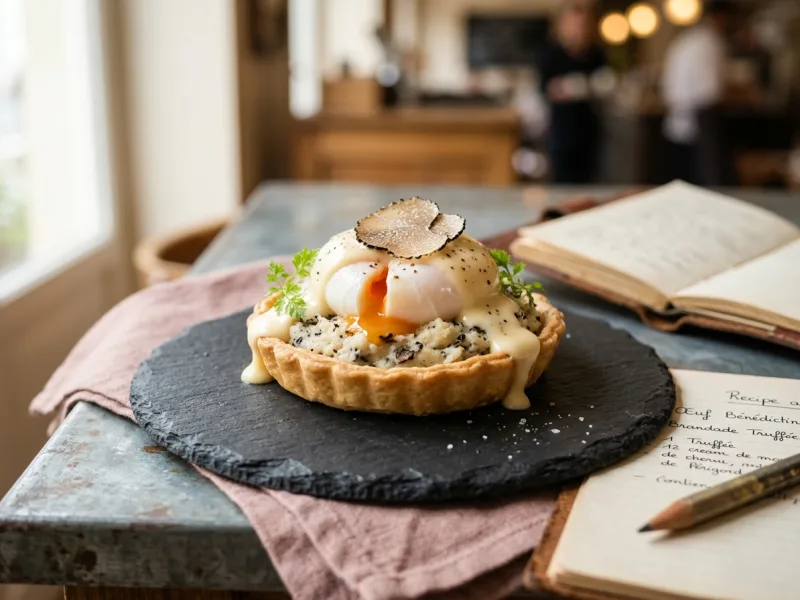
There is no more universal ingredient, yet no one cooks it quite the same way. Every chef has their own method, their little rituals, their convictions, and a firm opinion on what a perfectly cooked egg should be. This week, we want to see yours.
The egg is fascinating precisely because it embodies both simplicity and complexity. It is an ingredient everyone knows, yet it demands mastery. A poorly cooked egg is frustrating. A perfect egg is a victory. At AFTouch-Cuisine, we celebrate this quest for perfection in all its forms: soft-boiled, medium-boiled, hard-boiled, fried, poached, scrambled, or transformed into an omelette.
No need for professional equipment, no need to spend hours in the kitchen. Just an egg, a technique, and a little care in the presentation. The simplest photos are often the most beautiful. Chef Patrick Asfaux regularly reminds us that true cooking lies in mastering the fundamentals, not in overcomplicating things.
Choose your recipe, make it, and publish your best photo in the comments. The most successful shots will be featured in the next newsletter.
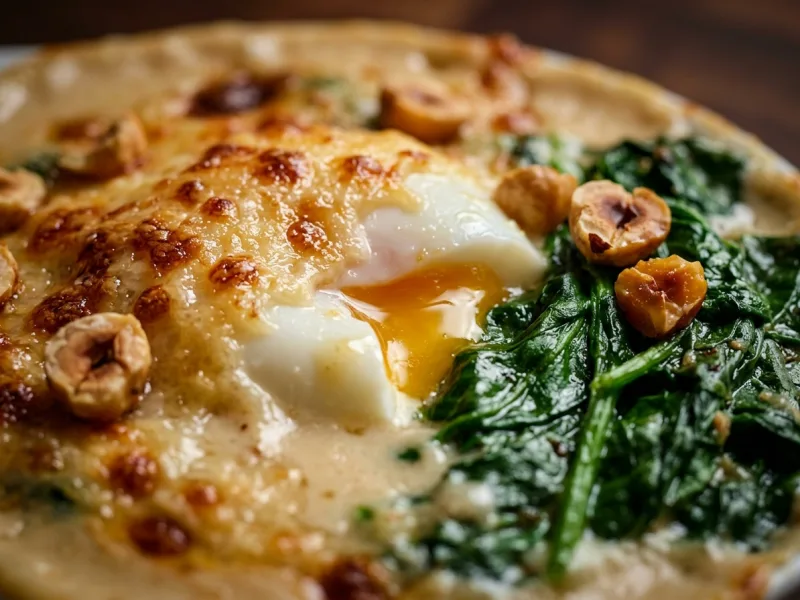
Soft-boiled eggs Florentine
IntermediateRunny yolk under a gratin crust of parmesan, spinach with brown butter and toasted hazelnuts.
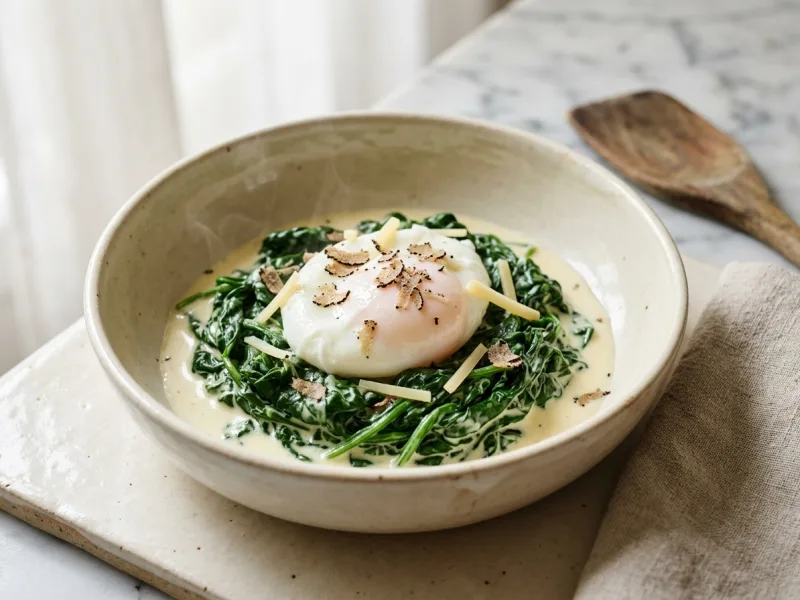
Poached egg Florentine
ChefPlaced on creamy mascarpone spinach, Comté sticks and a hint of truffle. 3 minutes in vinegared water.
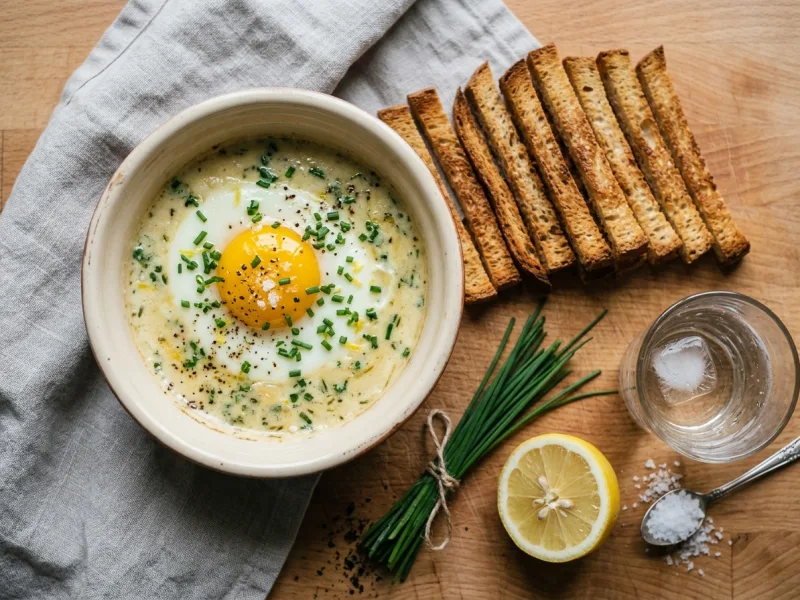
Baked eggs in ramekins
EasyAn egg in its cream shell, 8 minutes in the oven at 150°C in a water bath. Set whites, runny yolk.
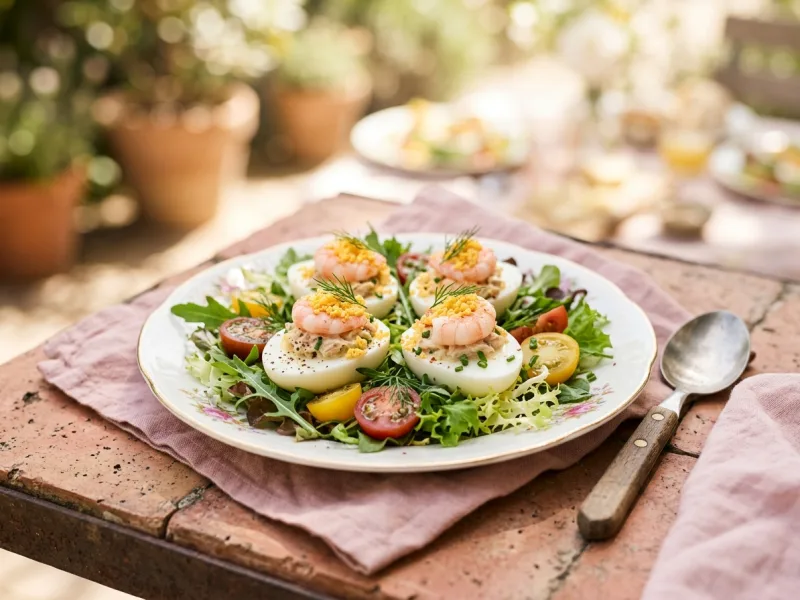
Grandma Josefa's mimosa eggs
EasyThe classic revisited. Yolks crushed with sour cream before vinegar, filling that holds together.
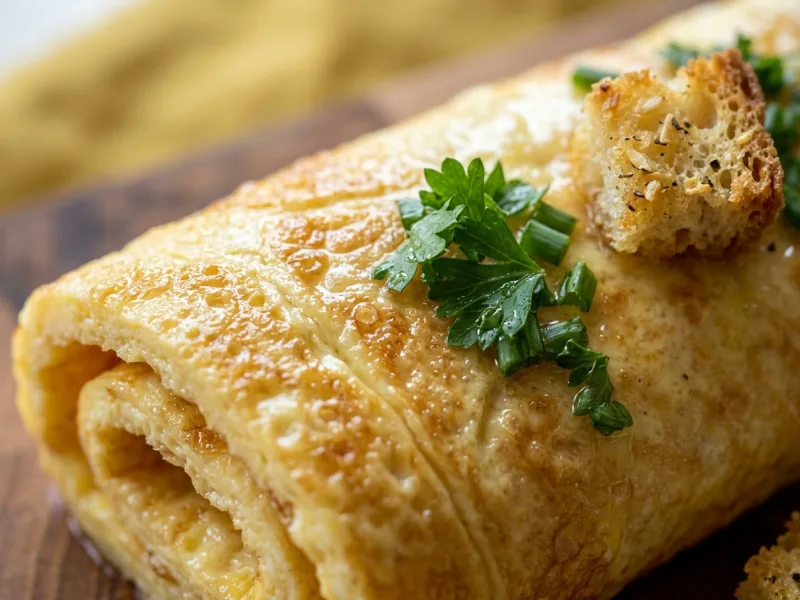
Rolled omelette
IntermediateThe recipe you think you've mastered and still fail at. Medium heat, foamy butter, not smoking.
Post your photo in the comments below with your first name and the recipe you chose. The best contributions will be shared in the next newsletter.
Chef's Tips
To master egg cooking, a few professional tricks make all the difference. For soft-boiled eggs, use water heated to 65 to 75 degrees Celsius for 6 to 7 minutes: the whites will set while the yolk remains runny. For medium-boiled eggs, allow 5 to 6 minutes in boiling water, then immediately cool them in ice water to stop the cooking process.
For poached eggs, white vinegar in boiling water helps the whites coagulate quickly. Scrambled eggs require gentle heat with fresh butter, stirring constantly with a wooden spatula. As for omelettes, they demand a steady wrist and a keen eye to determine the exact moment to fold.
Remember that every egg is different depending on its size and initial temperature. Test, adjust, and repeat. That is how you progress in the kitchen. This month's challenge is the perfect opportunity to refine your technique and share your personal approach to this timeless ingredient. We cannot wait to discover your interpretation of the perfect egg!
Leave a comment