Pork trotters Recipes - AFTouch-Cuisine
Pork feet are one of the great injustices of modern cooking. Once upon a time, these extremities were treated with the respect they deserved, prepared with expertise and savored without the slightest hesitation. Today, many ignore them, while others regard them with a certain wariness. It's a shame, because it is in these "humble cuts" that all the richness of authentic gastronomy resides.
Historically, pork feet have nourished peasant and bourgeois families for centuries. In Asia, they are elevated into nourishing broths. In France, they are the very essence of intelligent nose-to-tail cooking, where nothing goes to waste, where every scrap of animal becomes a delicacy. In the Middle Ages and under the Ancien Régime, the great royal cooks worked with them with the same meticulousness as foie gras. They knew that beneath this skin, rich in collagen, lay an extraordinary natural gelatin, capable of transforming a simple broth into culinary gold.
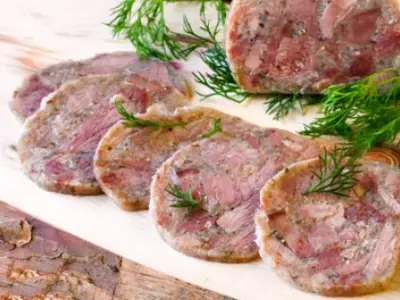
This collagen is precisely what makes pork feet so precious. Once slowly cooked, they release a fine gelatin that gives body, texture, and depth to your dishes. This is why they are indispensable in making an authentic Gelée de Viande à l'Ancienne, where they play a leading role as a natural gelling agent. Looking to impress your guests? Pork feet are your best allies.
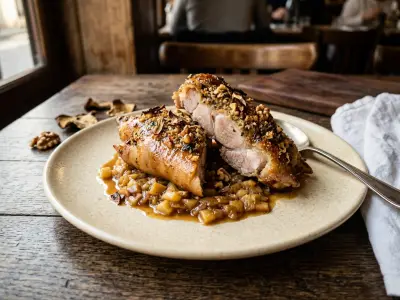
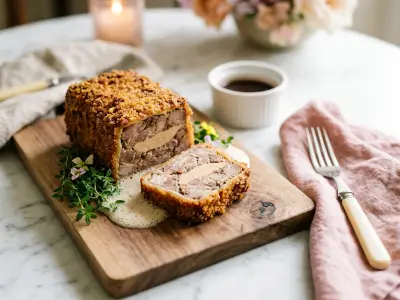
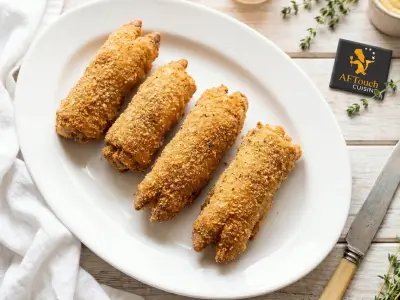
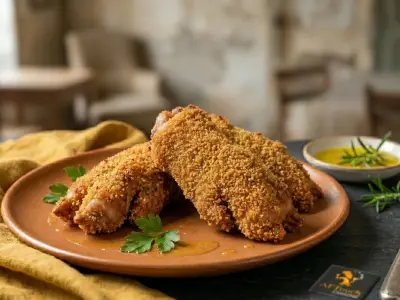
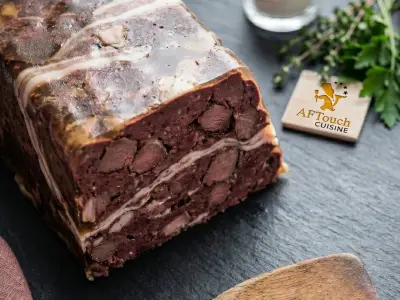
Preparation does require patience, certainly. You must blanch them, singe them gently, bone them with care. But this waiting is truly worth it. Once you master this process, you can explore fascinating culinary territories: stuffed in a Courge blanche farcie, transformed into a Terrine d'oreilles et langues de Porc, or simply cooked in the classic manner, breaded and pan-fried until golden and irresistible.
Indeed, chef patrick was not mistaken when he underscores the historical importance of these ancient techniques. In commenting on the Hure de sanglier, his enthusiasm reminds us that these recipes draw directly from the legacy of the great royal cooks, such as Vincent La Chapelle in the seventeenth century. It is this continuity that makes the beauty of our craft: perpetuating the expertise of generations past.
Pork feet also offer a fine lesson in culinary economy and respect for ingredients. At a time when everyone wishes to cook more consciously, rediscovering these cuts is a political act. It is saying "no" to waste, "yes" to tradition, and "thank you" to the animals we welcome onto our plates.
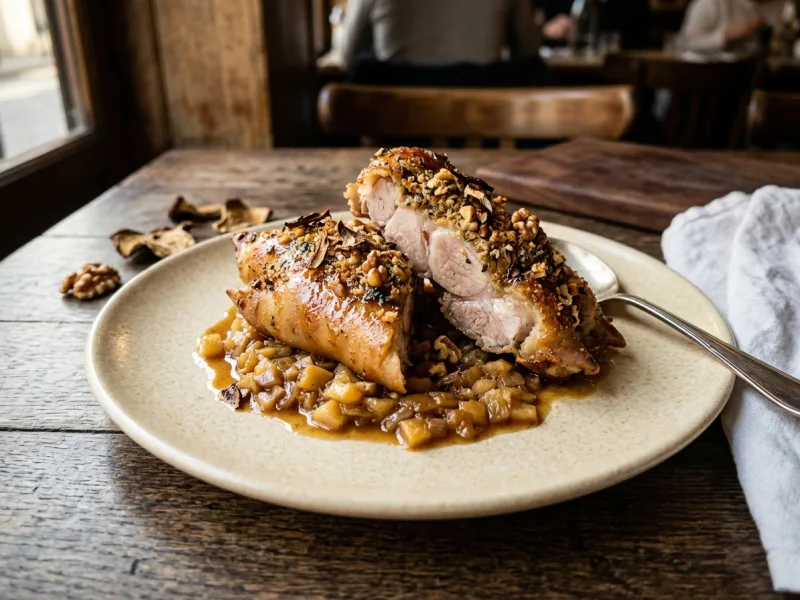
You will find here recipes that transcend the mere "leftover". Each one has been conceived to reveal what pork feet have best to offer. Whether you opt for the Pouteille, this timeless classic, or attempt a new culinary adventure, you will taste true French cooking, the kind that abandons nothing and draws all the gold from it. Go ahead. Your palate will thank you.