The day before: Run fresh water over your veal sweetbreads. In a large pot, place your sweetbreads and cover with cold water. Bring to a boil, then simmer for 8 minutes after it comes to a boil. Refresh under cold water, trim away any membrane, then place in a large bowl. Set a small overturned plate on top with a light weight, then refrigerate everything overnight.
The next day:
1 Set up 4 shallow bowls: rice flour in one, egg beaten with cream in another (season with salt and pepper), then one with breadcrumbs, and finally one with Parmesan.
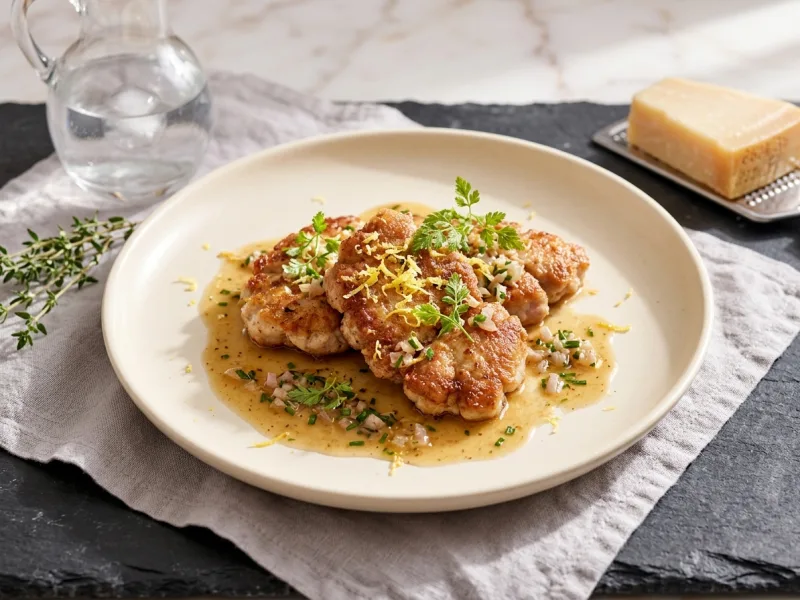
2 Slice 3 nice escalopes from each sweetbread nugget, lay them flat on your work surface, season well with salt and pepper, then do the following: coat them first in flour, then in egg, then in breadcrumbs, and finally in Parmesan. Return your escalopes to the fridge.
3 Just 30 minutes before eating, melt the butter and add a drop of oil in a large skillet. When it's nice and hot, place your escalopes and brown them well for 4 minutes on each side. Turn off the heat and cover for 10 minutes. Then reheat slightly, place your escalopes on warm plates, heat the butter in the pan, add the lemon juice, and spoon the sauce over your escalopes. Serve with, for example, fresh pasta with tomato sauce and a touch of chili, or spinach just wilted in cream, or creamy sorrel purée. *A veal has 2 sweetbreads: the heart one, round-shaped, is the best, and the other from the throat is more elongated and stringier.





Help other cooks
Share a tip, your adaptation, your result. Every comment counts.