Jerusalem Artichokes Recipes - AFTouch-Cuisine
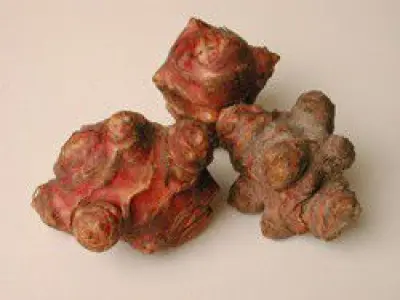
The Jerusalem artichoke, also called topinambour, is one of those wonderful culinary curiosities that great chefs are rediscovering with passion. Unknown to the general public, often relegated to the forgotten corners of French markets, this strange tuber with its bumpy skin hides beneath its rustic exterior a delicate flesh with a subtle sweetness that delights the most discerning palates. This forgotten vegetable truly deserves our attention, as it offers virtually infinite gastronomic possibilities.
Originally from the American continent, the Jerusalem artichoke was long considered an alternative to the potato, particularly in times of shortage. Its name itself is rather amusing: it apparently comes from a Brazilian tribe whose name the French of the 17th century simply mishear! Imported to Europe in the early 17th century, it enjoyed its moment of glory before gradually falling from favor, replaced by the potato, which was easier to cultivate. Fortunately, contemporary chefs are progressively restoring it to its rightful place.
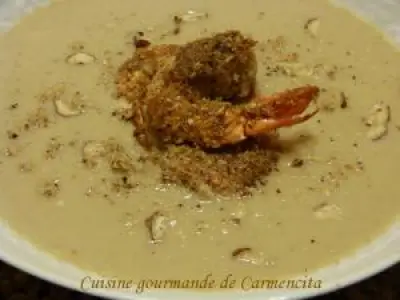
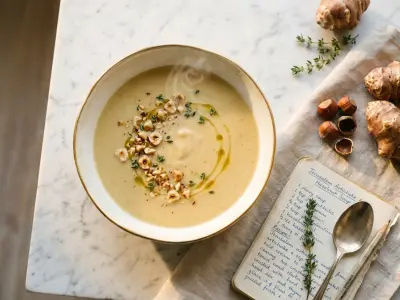
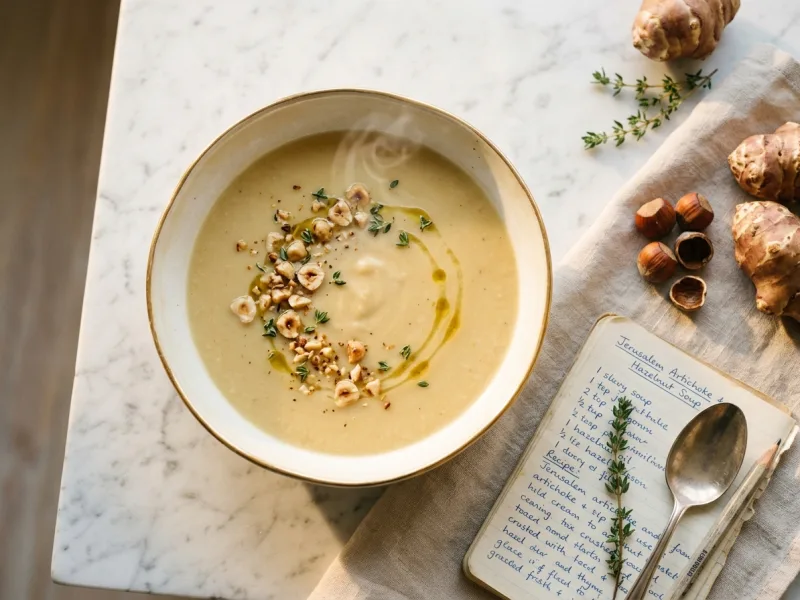
From a nutritional standpoint, the Jerusalem artichoke is a little marvel. It contains inulin, a soluble fiber excellent for intestinal flora, is low in calories, and offers impressive mineral richness. It's an ideal vegetable for those who wish to eat healthily without sacrificing the pleasure of taste. Its melting texture in the kitchen is particularly delightful in creamy preparations: our Crème de Topinambours and Velouté de topinambours aux noisettes speak to this eloquently.
The flavor of the Jerusalem artichoke is vaguely reminiscent of chestnuts with notes of hazelnut and artichoke. This organoleptic complexity makes it fascinating to work with. It pairs wonderfully with autumn and winter flavors: hazelnuts, chestnuts, mushrooms, shallots. Besides, our Velouté de topinambours, châtaignes plays magnificently with this seasonal harmony.
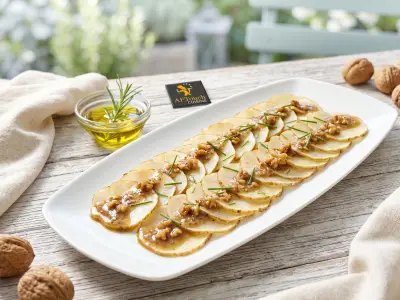
For those discovering the Jerusalem artichoke, we recommend starting with simple preparations that highlight its natural flavor. The Salade de topinambours aux noix is a perfect example: raw or lightly sautéed, the Jerusalem artichoke reveals all its delicacy. In fact, ivan got it right by leaving enthusiastic five stars on this recipe, confirming that the pairing of Jerusalem artichoke with walnuts is a successful symphony.
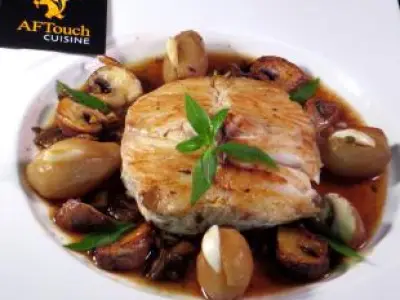
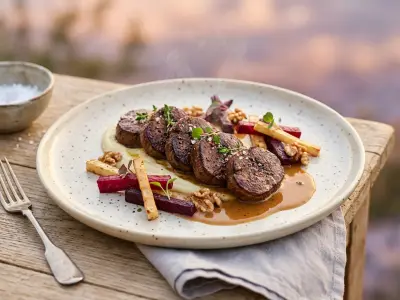
More adventurous cooks will appreciate exploring its possibilities in more sophisticated contexts. Paired with a noble fish as in our Darne de colin de petits bateaux rôtie, or as an elegant accompaniment for venison medallions such as our Mignons de biche, the Jerusalem artichoke brings an earthy and authentic dimension to the plate. Its natural moisture also allows for beautiful caramelization in cooking, creating interesting textural contrasts.
Culinarily, the Jerusalem artichoke requires a few precautions: it should be cooked fairly quickly after peeling to prevent oxidation. Simply brushing it under water is often enough to clean this delicate skin. And a little chef's tip: if you find raw Jerusalem artichoke a bit indigestible, the inulin partially transforms into fructose during cooking, making the vegetable easier to digest.
So, ready to get acquainted with this forgotten vegetable that deserves a beautiful comeback on your tables? Our recipes will help you: from simple to refined, there's a Jerusalem artichoke recipe for every craving and every level of culinary skill.