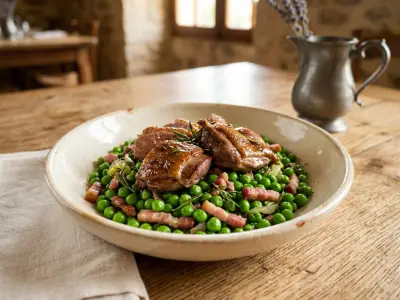

24 hours before:
1 Cut the duck breasts into 8 pieces:
the thighs, the 2 wings (breasts) the 2 sleeves then cut at the joint the 2 winglets, trim these pieces by removing the protruding fatty parts (keep them).
2 Arrange the pieces on a plate skin side up on a bed of salt with half of the seasoning (thyme bay leaf pepper cloves garlic head) then pour the rest of the salt and seasoning, cover with a clean cloth or plastic wrap and leave in the refrigerator for at least 24 hours.
24 hours later:
3 The curing is complete, rinse thoroughly with water to remove the salt and carefully dry your duck pieces.
4 In a large pot (or a copper basin) gently melt your fat scraps then when they are melted add the duck fat, and finally the duck pieces which must be well covered. Cook slowly without boiling for at least 2 hours 30 minutes (to check the cooking, insert a needle (a knitting needle works very well) it should come out easily and without any trace of blood).
5 Remove your duck pieces (decant) then place them in a large earthenware pot or divide into smaller ones and strain the boiling fat through a chinois over them which should cover them.
When they have cooled and the fat has set, I prefer to pour a layer of lard on top to ensure its seal.
Then forget about it in a cool place for at least 3 months before enjoying it.
Certainly you can put them in jars and sterilize them (2 hours at 120°), but for me a good confit should not see the light.
Mulard: Duck resulting from the crossing of Barbary duck with a Rouen or Pekin duck.
Paletot: Fattened boned flat duck, the remaining carcass is called the dem
Help other cooks
Share a tip, your adaptation, your result. Every comment counts.