Dill Recipes - AFTouch-Cuisine
Dill, this fine and delicate herb with its wispy little leaves, is one of those plants that transforms ordinary dishes into creations worthy of the finest restaurants. Originating from Mediterranean regions and South-West Asia, it has gradually made its way to European tables, where it reigns supreme in Scandinavian and Slavic cuisines. Its name is said to come from ancient Greek "anethon," though some etymologists trace it back to Indo-European roots meaning "that which rises quickly," a poetic notion for a plant that indeed grows with remarkable enthusiasm in the garden!
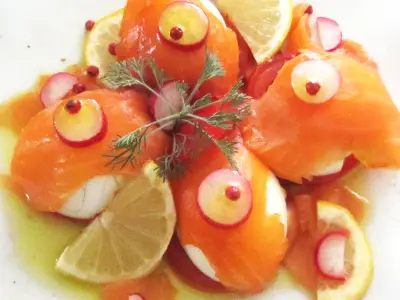
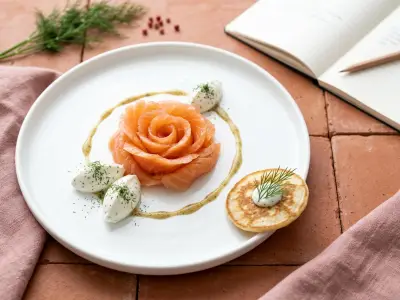
What fascinates about dill is its singular aroma: neither quite citrusy nor really sweet, but terribly elegant. Unlike its robustier herb cousins such as thyme or rosemary, dill loves subtlety. It prefers delicate preparations, pairs beautifully with seafood, fine fish, and dairy products. In Scandinavia, it has been used for centuries to flavor salmon; in Russia, it generously garnishes soups and potato dishes. Which tells you just how rich and varied its culinary history is!
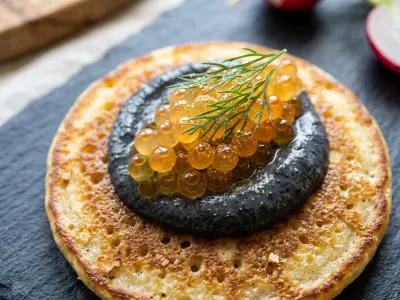
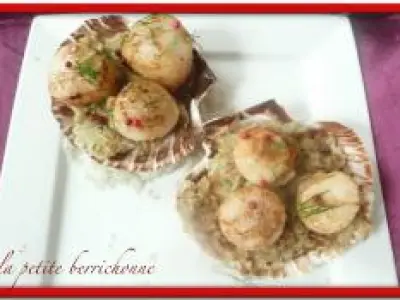
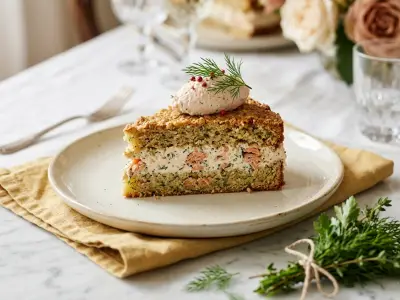
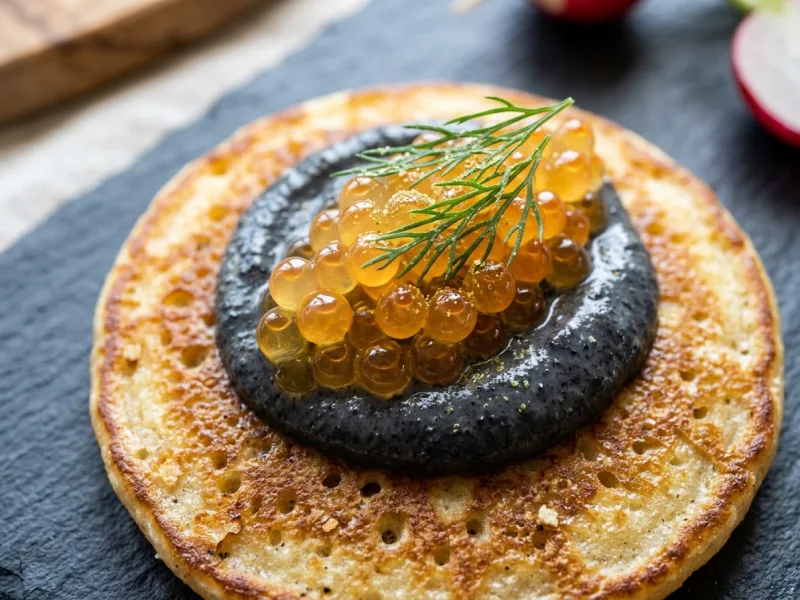
One of dill's great qualities lies in its versatility. You can use it fresh, chopped at the last moment over a dish, or incorporate it earlier in cooking, where it will hold up well and gradually release its aromas. Try it in our Courgette Blinis with Saint Moret sauce, where it brings an absolutely irresistible fresh note. If you adore Nordic flavors, the Nordic Cake will be your revelation: dill plays a discreet yet decisive role.
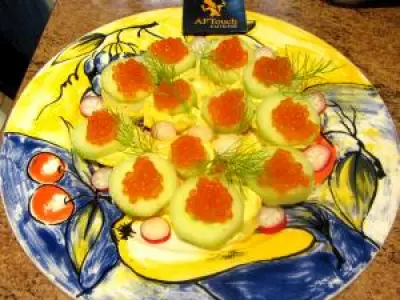
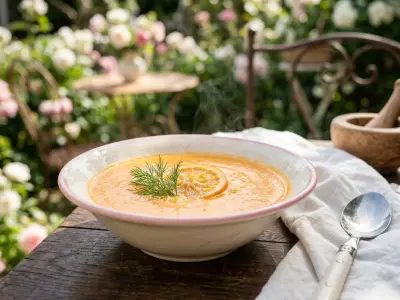
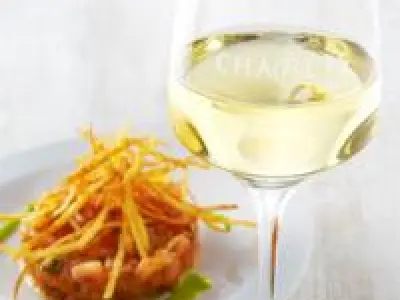
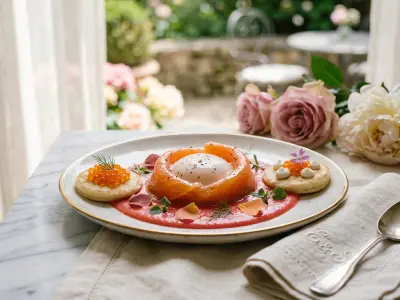
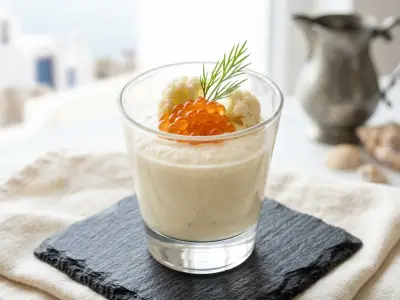
With fish roe, dill becomes almost a requirement! This is why it naturally asserts itself in our Potatoes and smoked trout eggs and in the delicate Cauliflower cream with salmon eggs. In fact, asfaux knew this well: in his comment on this very recipe, he enthusiastically suggests garnishing the verrines with chives and dill, two herbs that complement each other wonderfully.
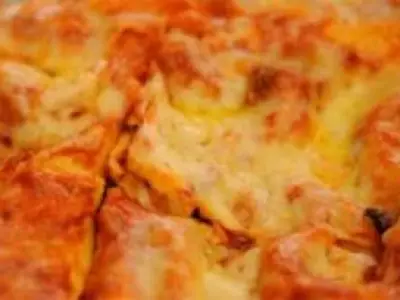
For lovers of more complex flavors, discover how dill enhances fish-based pastes with our Soft salmon lasagna. This recipe shows how this herb can integrate into structured dishes without losing any of its finesse.
One last chef's tip: fresh dill loses much of its flavor with prolonged cooking. Save it for finishing, or add it only at the end of cooking. And if you only have dried dill on hand, reduce the quantities by half, as it is much more concentrated. In the garden, sow it regularly, for it grows fast and disappears just as quickly. You won't regret it, I promise!