Chives Recipes - AFTouch-Cuisine
Chives are one of those aromatic herbs we all wish we'd been growing in our gardens for ages. Discreet, elegant, with its little violet flowers that almost look like a florist's arrangement, it is nonetheless the secret ally of many a kitchen. Originating from the temperate regions of Asia, particularly China and Siberia, this cousin of the onion and shallot has quietly made its way into our European kitchens to become practically indispensable.
Unlike its more imposing cousins, chives doesn't seek to dominate the plate. Rather, it whispers, bringing a soft and delicate note of fresh onion, without aggression. That is its entire magic: to enhance without crushing, to perfume without suffocating. The French have embraced it so thoroughly that it's part of the classic "fines herbes", alongside chervil, tarragon and parsley. It is the invisible cement that binds so many of our dishes together.
Historically, chives didn't truly become widespread in Europe until the Middle Ages. Monks in monastery gardens cultivated it in their medicinal herb gardens, recognizing its digestive and tonic virtues. They had it right: this delightful herb contains vitamin C, calcium and phosphorus. Eating healthily was already a concern long before wellness blogs existed!
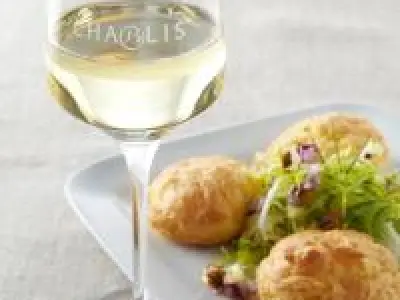
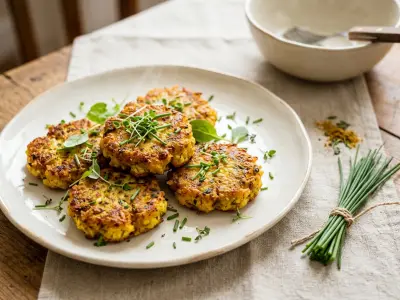
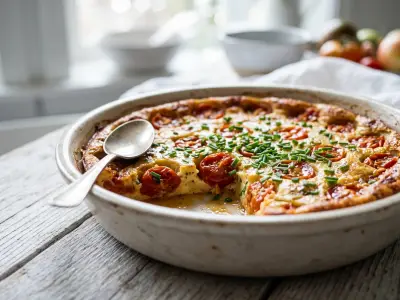
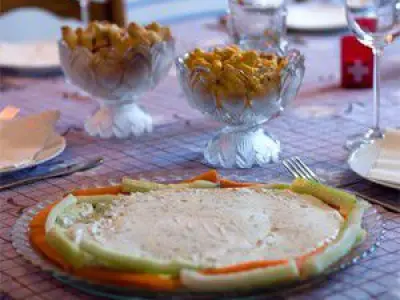
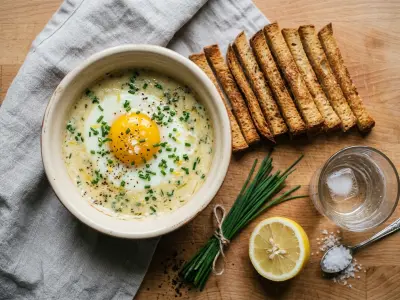
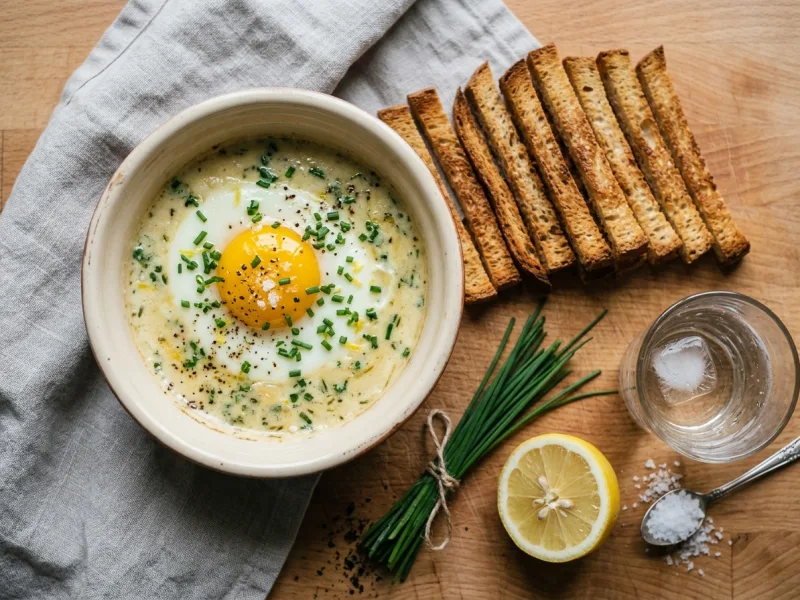
In the kitchen, chives is a true versatile artist. It manages to be appreciated just as much on œufs cocotte as on cervelle de canut, the Lyonnais specialty, where it highlights the savory acidity with great tact. It gracefully adorns gougères au comté, the ideal accomplice to cheese without trying to steal the spotlight. On our acras de morue or in a simple salade frisée et vierge de légumes colorés, it brings that freshness that makes you say "mmm" rather than "meh".
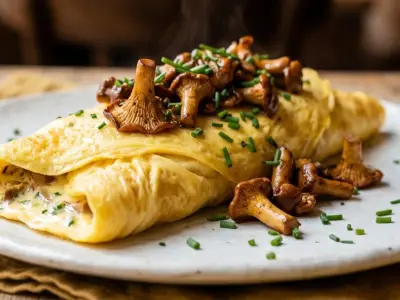
The great secret of chives? It doesn't really withstand prolonged cooking. Its volatile aromas escape with the steam and heat. That's why it's best added at the end of cooking or sprinkled just before serving. It's a simple gesture but one that changes everything. It's rather like putting the final full stop to a beautiful story: it creates a moment of perfect harmony.
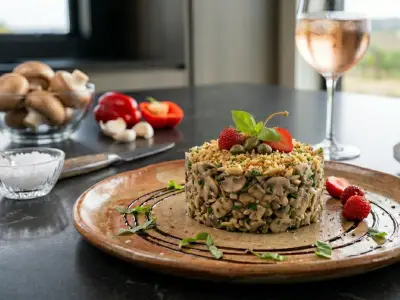
Fleur understood this well when she shared her enthusiastic experience about the Rondelés du Cantalou, even proposing a regional variation with braised meat from the Haut-Doubs. These little personal touches, that's real cooking, the kind that listens to local flavors and transforms them with respect. Chives, precisely, excels at this role of mediator between tradition and creation.
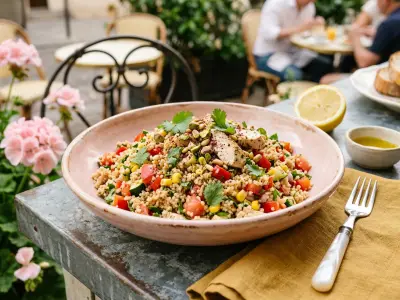
Whether garnishing criques au comté, perfuming a taboulé au poulet or illuminating avocats aux écrevisses, chives remains the cook's best friend in the quest for subtlety. So yes, growing this herb at home, or at the very least always having it in your kitchen, means giving yourself the tools to cook better and more beautifully, without pretension but with lots of heart.
-1845.jpg.webp)