Other dishes
Slow-cooked dishes have a rich and diverse history, stretching back thousands of years. The first slow-cooked dishes were probably soups and stews of meat and vegetables cooked slowly over campfires or in hearths. The ancient Egyptians, Greeks and Romans all used slow-cooking methods to prepare their food, and these practices have been passed down through the generations to the present day.
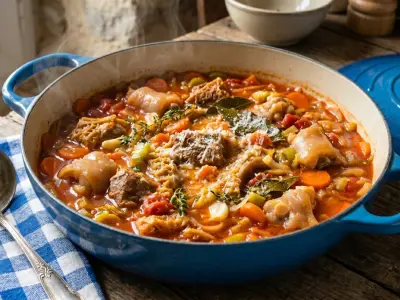
In the Middle Ages, slow-cooked dishes were very popular among the lower classes, as they were inexpensive and could be prepared in advance for days when there was no time to cook. Housewives often used simple ingredients such as vegetables, herbs and spices to give their dishes a delicious taste. Slow-cooked dishes were often served in earthenware or cast iron pots, which were placed over wood fires to cook slowly.
During the Renaissance, slow-cooked dishes began to be considered luxury dishes. Court cooks used costly ingredients such as dried fruits, exotic spices and noble meats to create delicious stews. Slow-cooked dishes were often served at banquets and feasts, and were regarded as prestigious dishes.
In the 18th century, slow-cooked dishes began to grow popular in France. French cooks developed advanced slow-cooking techniques, using ingredients such as mushrooms, truffles and elaborate sauces to create elegant and sophisticated dishes. Slow-cooked dishes were often served in cast iron pots, which were placed over wood fires to cook slowly.
In the 19th century, slow-cooked dishes began to be considered family dishes. Housewives used simple and affordable ingredients to prepare nourishing meals for their families. Slow-cooked dishes were often served in cast iron pots, which were placed over wood fires to cook slowly.
Today, slow-cooked dishes are still very popular in kitchens around the world.