Edible flowers Recipes - AFTouch-Cuisine
Edible flowers are the great forgotten treasures of our modern kitchens, and that's a real shame. Yet since time immemorial, they have adorned our plates and perfumed our dishes with a delicacy that few ingredients can match. In Asia, North Africa, and medieval Europe, flowers were never exotic curiosities, but genuine culinary allies, just as important as aromatic herbs.
Did you know that the rose was once the star ingredient in Persian and Ottoman cuisines? Rose water and rose petals perfumed both sweet and savoury dishes with remarkable subtlety. In medieval Europe, castle kitchens used flowers and violets to decorate royal banquets, because beauty mattered just as much as taste. What was once a sign of prestige and refinement has unfortunately been lost over the centuries.
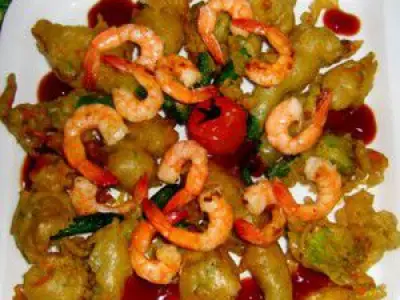
Today, it's time to revive this forgotten tradition. Cooking with flowers means reconnecting with a poetic and sensual form of cuisine, where each petal tells a story. It's also rediscovering surprising flavours, some flowers offering subtle bitter notes, others sweetness, and still others a gentle peppery sensation. The nasturtium, for example, brings a vibrant hue and a slightly spicy flavour that awakens the palate. The courgette flower, usually wasted, becomes a delight when stuffed or prepared as fritters.
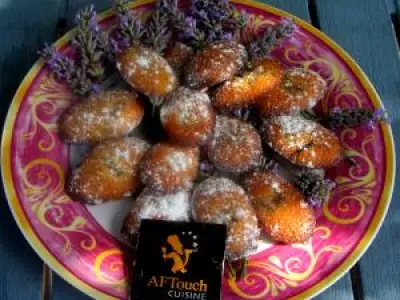
What fascinates most about edible flowers is their versatility. They can garnish a dish at the last moment, bringing that touch of elegance that transforms a simple plate into a gastronomic creation. They can also be infused into syrups, crystallized to decorate pastries, or incorporated directly into recipes to alter the flavour of an entire dish. Lavender flowers gently sweeten a dessert, while thyme flowers enhance a broth with subtlety.
However, using flowers in cooking requires caution. Not all flowers are edible, far from it. Some can be toxic or treated with pesticides. You must always verify the source of your flowers, picking them far from roads and treated areas, or buying them from trusted producers. Chef Asfaux insists on this point, quality and safety must take priority over originality.
The wonderful advantage of flowers is that they often grow in our gardens, our vegetable patches, or near our homes. A simple balcony can become a mini culinary reserve if cultivated thoughtfully. Strawflowers, pansies, cornflowers, daisies, borage, nature's generosity offers us an infinite palette of flavours and colours, free and within reach.
Discover how to incorporate flowers into your everyday cooking. Whether you're an experienced cook or simply an enthusiast, flowers offer a fantastic opportunity to surprise your family, impress your guests, and above all, to reconnect with a culinary tradition thousands of years old. Because that's the very essence of gastronomy, seeking to create beauty, deliciousness, and memorable moments, with our hands and our hearts.