Cognac Recipes - AFTouch-Cuisine
Cognac is far more than just a brandy, it is a philosophy, a story engraved in every drop, and for us chefs, it is a precious ally capable of transforming an ordinary dish into a memorable creation. This golden-hued spirit, with its amber reflections, has originated from the Charente region since the 17th century, travelling through the centuries while seducing the most discerning palates and inspiring the greatest culinary minds.
Do you really know how cognac was born? It all started with a happy accident. Local producers distilled white wine to preserve it during long sea voyages. Once it arrived at its destination, the result was so extraordinary that people quickly realized they had something exceptional on their hands. Today, cognac remains a highly regulated product: it must age for a minimum of two years in Limousin oak barrels, and its origin is strictly controlled. This authenticity is what gives it its strength in the kitchen.
In gastronomy, cognac plays the alchemist. When you pour it into a smoking pan, something magical happens. The alcohol evaporates, the sugars caramelize, and what remains is this complex essence, slightly spicy, which clothes your dishes in a velvety robe. Cognac knows how to be discreet while making an impression, rather like an excellent sommelier, actually.
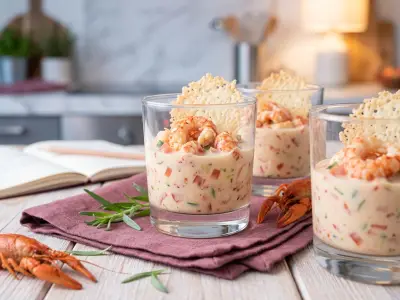
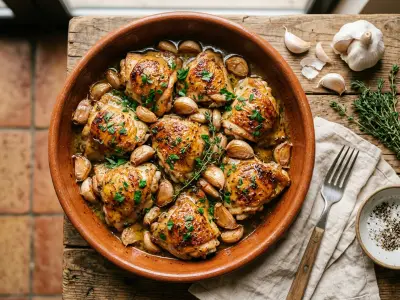
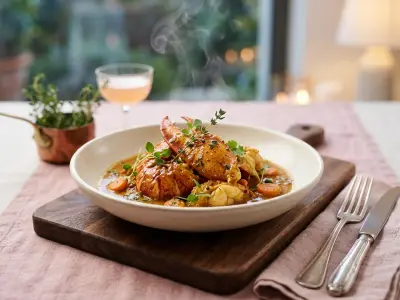
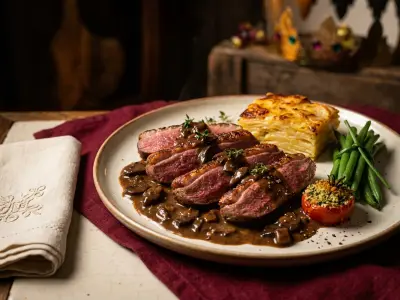
This is why I particularly enjoy using it with meats, refined fish and delicate dishes. My Pintade flambée will show you this clearly, this noble bird lends itself wonderfully to cognac, which elevates its subtle flavour. But cognac doesn't stop there. It brings a new dimension to the sea and its treasures, think of the delicate dance of cognac in our Avocats aux écrevisses or the sophistication that emanates from our Verrines de nage d'écrevisses.
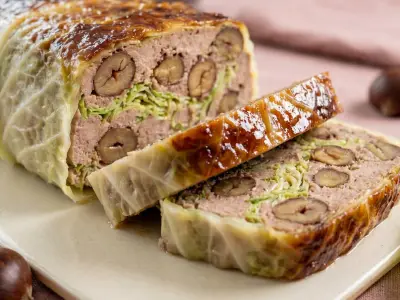
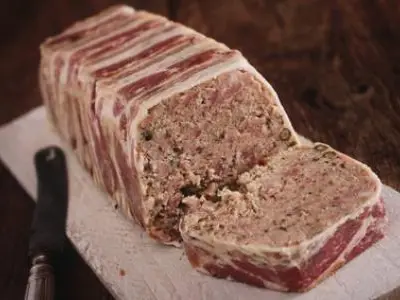
Those who love earthier flavours won't be left out. I adore pairing cognac with terrines and pâtés, where it creates harmony between the richness of the meat and the elegance of the spirit. Our Pâté de Thiérache is a fine example of this, as is the remarkable Terrine de cochon aux châtaignes et chou. On that subject, as Dubarry tells us in his enthusiastic comments on this last recipe, the marriage between cabbage and chestnut, a Corsican tradition, finds an added culinary dimension when one dares to add cognac to it. It is no accident that our finest Breton and Corsican terroirs pair so beautifully with this brandy.
The secret I am sharing with you today: never pour cold cognac into your preparations. Warm it slightly, savour its aromas before adding it. It is a gesture of respect towards the product and towards those who will enjoy it. And remember that less is often more, a hint of cognac is enough to transform, it should never dominate.
Explore our recipes, let yourself be guided by this essence of excellence, and discover how cognac can become your culinary signature.