

1 Start your oven at 180C (356F)
2 In a large bowl, place your flour. Form a small well in the middle of it. Put the salt, the egg yolks and the soft butter in it and start binding all these ingredients together, using your hands (clean of course!). Using the flour left (1.4 oz (40g)) start bringing the dough together and form a ball. Set aside to rest for a while, on a plate.
3 Roll down the dough to a 1/8 inch thickness. Then place it into a round sponge cake mould.
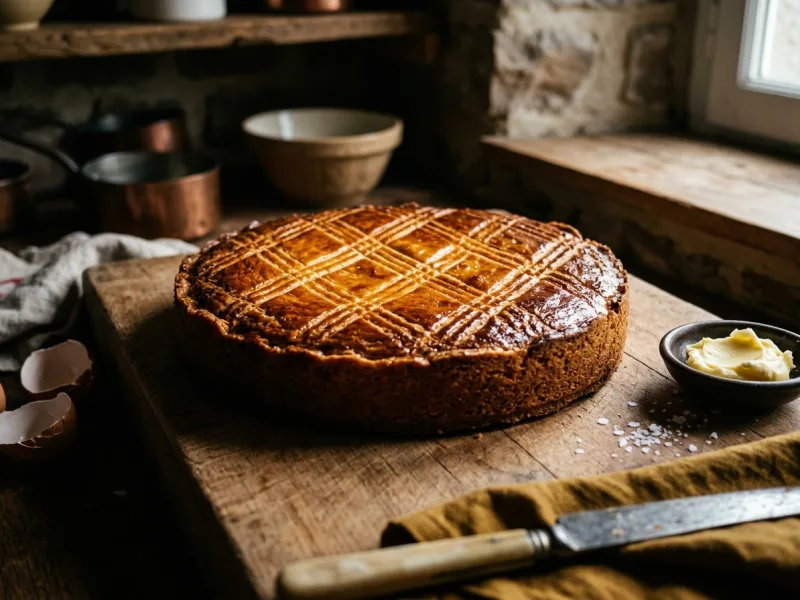
4 Brush your cake with some egg wash (1 egg yolk mixed with a table spoon of cold water) and draw some diamonds with a fork on the surface of the dough.
5 Cook for 20 to 25 minutes in the oven. It is cooked when the tip of a knife placed into the cake comes out hot and dry.
Wait for 15 minutes before taking your cake out of its mould. Let cool down and enjoy.
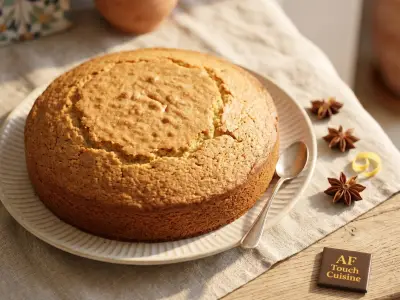
The Breton cake is the Sunday afternoon treat, the one you pull out with coffee or sweet cider. Historically, it's the pastry of Breton ports, born when Brittany was rich in butter and eggs. Today it's still a classic in bakeries from Quimper to Vannes. It's a cake for any time of year, but it really shines in autumn, when Norman butter has that golden color and farm eggs are at their best. Speaking of the season, opt for very fresh eggs; the yolks will be fuller and the crumb airier. As for serving, keep it simple: a touch of strawberry jam or apple compote is all you need. If you enjoy wine, a dry Sancerre or Chablis works well, but honestly, dry cider pairs better. Bretons themselves stick with sweet cider alongside this cake. Serve it warm, unmolded for half an hour. You'll see, the crumb holds up well even the next day.
No comments yet. Be the first to share your experience!
Help other cooks
Share a tip, your adaptation, your result. Every comment counts.