1 Preparation of the clams: Pour them into your closed sink, run water to cover them, then remove them by hand. Repeat the operation at least 3 times until no sand remains at the bottom of your sink.
The following 2 operations will be done simultaneously.
2 In a large pot, bring 3.2 qt (3 liters) of water to a boil, salt with coarse salt, then at boiling point, plunge your linguines for 8 minutes of cooking after the water returns to a boil (5 minutes if they are very fresh).
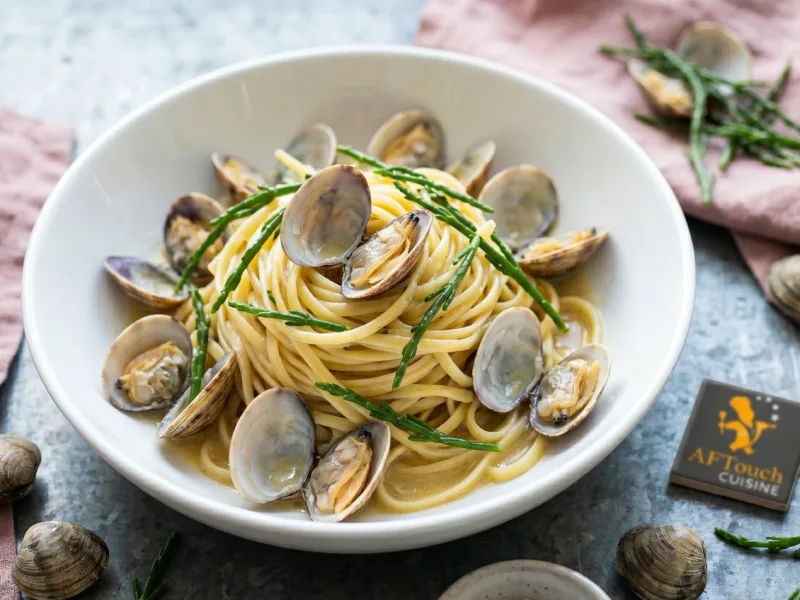
3 At the same time, in a fairly high skillet, place your clams, your shallots, your butter, pour your white wine, pepper with the mill, do not salt, cover and cook quickly until all the clams are open.
4 Cook your pasta.
5 Your pasta is cooked al dente, drain it then pour it into the clam skillet, mix everything together, give it a quick heat, then pour into a large dish, arranging a few samphire sprigs on top which will "crunch between your teeth".
No salt in this recipe because between the butter and the iodized taste of the samphire it is enough.
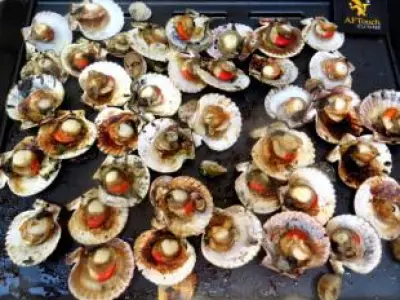
One day if you are a bit richer, add to my recipe clams and scallops and replace the muscadet with jurançon...











Help other cooks
Share a tip, your adaptation, your result. Every comment counts.