1 Roll out the pastry and fit it into your tart pan. Using a fork, prick the bottom to prevent the pastry from rising during cooking. Chill for one hour in the refrigerator.
2 Meanwhile, plunge your bacon pieces into boiling water for 1 minute, rinse with cold water and drain them. Brown them without adding any fat and set aside on paper towels.
3 Preheat the oven to 430°F (220 °C) (425 °F).
4 In a bowl, combine the egg yolks and cream, season lightly with salt and pepper, add the nutmeg and blend for 15 seconds.
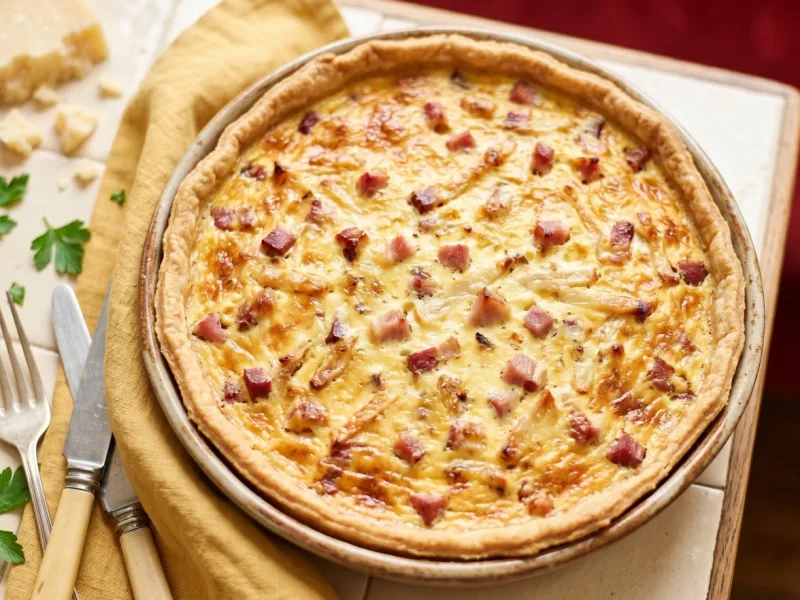
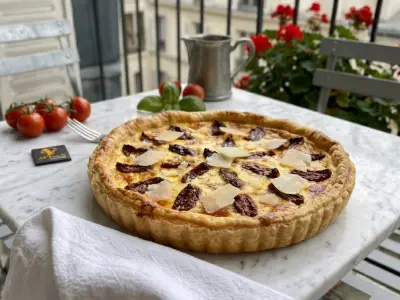
5 Spread the Gruyère slices and smoked bacon on the tart base. Pour in your filling mixture and bake for 20 minutes. Lower the temperature to 355°F (180 °C) (350 °F) and continue cooking for another 20 minutes.
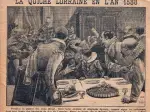
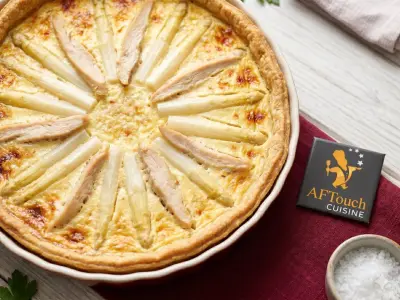
6 Wait a few minutes before slicing your quiche and serve with a nice green salad. Cheese slices were already present in my 17th century writings. Only the pastry changed since it was originally made with bread dough and the cream was double, as thick as it is today! For our many visitors on the other side of the Mediterranean, replace the pork bacon with small cubes of smoked turkey, smoked duck breast, smoked salmon, or seared scallop pieces, etc. Keep this filling combination (yolks and cream) handy, as it works beautifully for many savory quiches (with onions, fresh or smoked salmon, potted meats, salt cod spread, etc.), and by adding sugar, you can also make sweet quiches with mirabelle plums, apricots, or greengage plums... Here is the text that appeared at the bottom of the page in "L'Illustration" illustrating this Lorraine quiche recipe: During the War of the Three Henries, this exquisite and original tart appeared, as a rallying sign, at all the feasts of the supporters of the Duke of Lorraine, Henri de Guise, called the Scarred One. His assassination in Blois was the signal for the massacre of numerous League supporters, gathered around the delicious quiche.






Help other cooks
Share a tip, your adaptation, your result. Every comment counts.