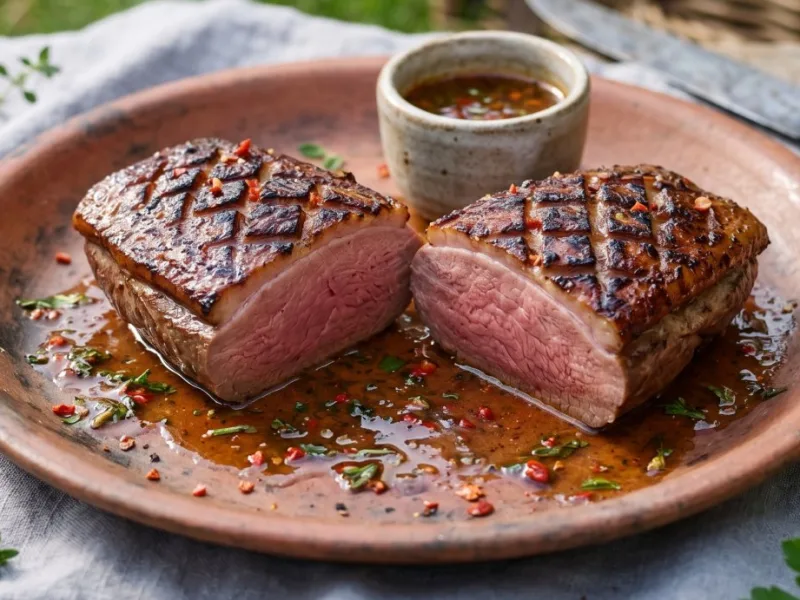
Cooking duck breasts Recipes - AFTouch-Cuisine
Duck magret, a name that immediately evokes French culinary excellence, the richness of the South-West terroirs and that special gift our chefs have for transforming a simple breast into a gastronomic masterpiece. But did you know that magret as we know it today is a relatively recent invention? It was in the 1970s, in Gascony, that cooks had the brilliant idea of highlighting this part of the duck, traditionally reserved for other uses. André Daguin, a legend of Périgord cuisine, is notably the one who popularized this marvel with the general public.
The word "magret" comes from the Gascon "magre," meaning lean or fatty depending on the interpretation. This is precisely the subtlety of this cut: a thin layer of fat protecting meat of exceptional tenderness. When cooked correctly, this fat melts like butter, penetrating the flesh while keeping it rosy and juicy at the center. A balance that only true technique allows you to master.
Asfaux understood this perfectly when sharing with us his enthusiasm for the Magret de mulard campagne lotoise: "yes, mulard duck cooks beautifully and it's really very good this way." That is exactly our philosophy. The mulard, a hybrid duck with pronounced flavor, demands respectful and thoughtful cooking. This recipe embodies this Gascon tradition while remaining accessible to those discovering magret for the first time.
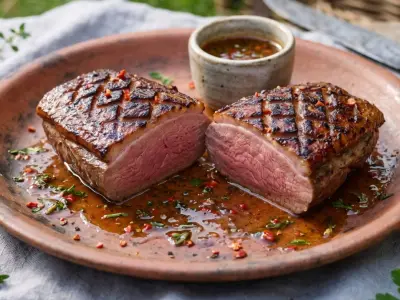
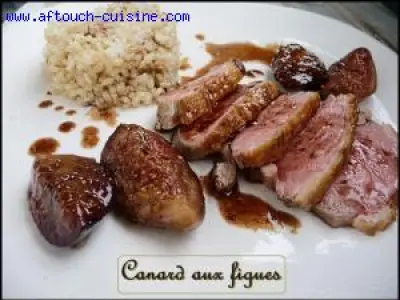
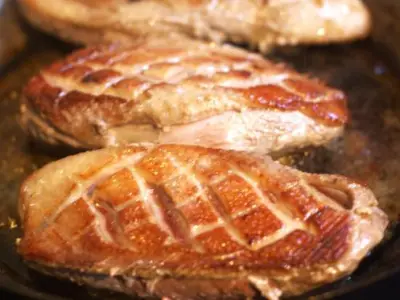
But magret is not limited to just one preparation! This is precisely what makes its culinary beauty. It welcomes both the spiced and fruity accompaniment of a recipe with figs and demands the purity of a simple pan-seared preparation, just salted and peppered. It can pair with reduced sauces, balsamic reductions, dried fruits or refined vegetables. Just a few minutes in the pan, skin side down, are enough to transform this noble cut into an unforgettable taste experience.
What you must understand is that magret demands respect. Respect for the animal, respect for the product, respect for the cooking. No overly long cooking that would make it dry and rubbery, no flame too high that would char its crust without cooking the inside. No, it requires a gentle mastery, attentive, almost meditative. In the image of Chef Patrick Asfaux who, through this site, passes on to you this love of doing things well.
Our recipes will guide you through this culinary adventure. Whether you opt for a classic or more creative preparation, you will discover why duck magret has conquered the most prestigious tables. Each recipe offered here has been thought through, tested, perfected so that your magret becomes a moment of pride at the table. Because cooking magret is also cooking a story, that of our regions, our traditions, and this French passion for good food.