Celery root Recipes - AFTouch-Cuisine
Celeriac is a bit of the ugly duckling of French vegetables. Look at it: lumpy, not exactly appetizing at first glance, with its brownish-grey skin that hardly screams "come hither." And then, oh surprise! Inside, it's cream-coloured, tender and delicate. Such is the way of the most beautiful things, isn't it? A lovely lesson in culinary philosophy offered by this often underappreciated tuber, cousin of celery but far more noble and flavourful.
Originating from the Mediterranean basin, celeriac made its mark in France around the 18th century, where chefs immediately embraced it for its versatility. Unlike its cousin who demands to be treated delicately, celeriac accepts every approach: as a velvety purée, in a crunchy salad, as a discreet side or as the star of the plate. The French made it a staple of home cooking, while Michelin-starred kitchens never stop rediscovering it with enthusiasm.
Rich in fibre and low in calories, celeriac is one of those vegetables we love recommending to those who forget that good cooking is above all a matter of health. But that's far from its only quality! Its subtle flavour, lightly sweet with a hint of hazelnut, allows for surprisingly varied culinary creations. It's a vegetable that simply asks for a little attention, and repays you a hundredfold.
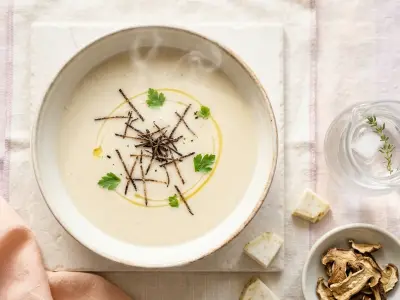
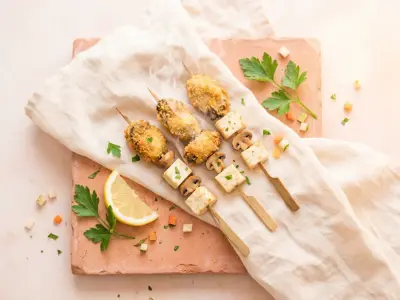
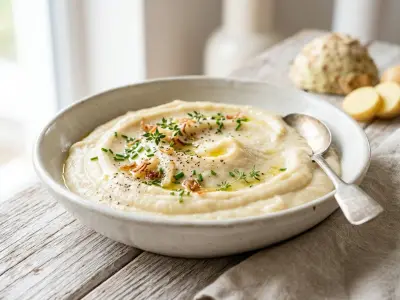
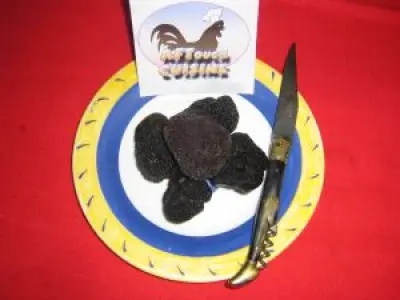
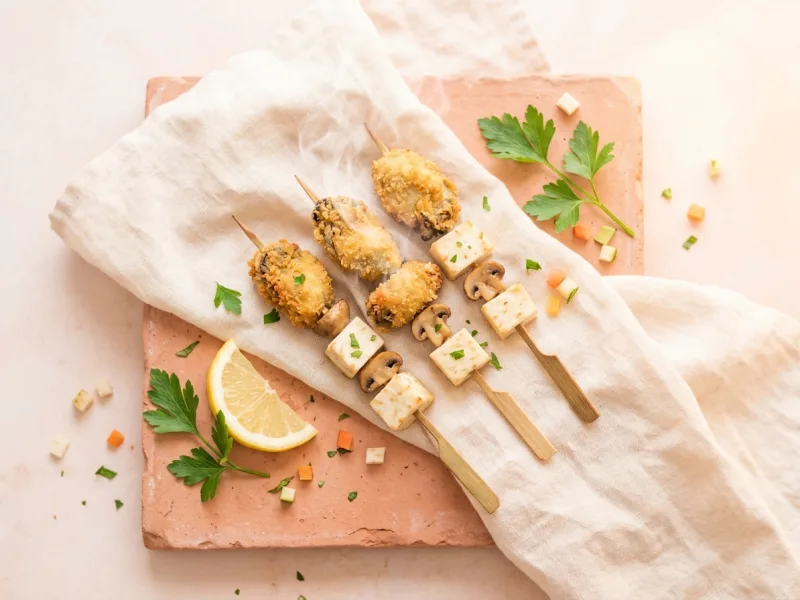
On AFTouch-Cuisine, we invite you to explore it from every angle. Celeriac Purée is its most classic and comforting form, that dish which pairs so beautifully with fine meat, that unwavering white at the edge of the plate that says "I know what I'm doing." More surprising, Celeriac and Truffle Rémoulade will show you how this humble vegetable can dance with the greatest, how a simple root suddenly becomes luxury and refinement. And for the adventurous, Little Oyster, Celeriac and Porcini Skewers offer a surprising combination where this earthy vegetable weds the delicate essence of oysters, a marriage you wouldn't ordinarily seek, yet works wonderfully.
A few practical tips before you begin: choose celeriac that feels heavy for its size, with no hollows or soft spots. Keep them cool until use. For peeling, a good blade is all you need, don't be intimidated by its sturdy appearance. And never throw away the leaves! They make excellent stocks. As asfaux tells us in their comment on Chestnut Soup, a good cook knows that small details make all the difference: "for the next chestnut soup add 30g of dried porcini to the preparation." This same philosophy applies perfectly to celeriac.
So, ready to give this magnificent vegetable a second chance? You'll see, once you've tasted a fine Beetroot Mousse topped with a streak of celeriac purée, or savoured a beautiful rémoulade with truffles, you won't understand why you hesitated so long. Cooking is above all about courage and curiosity. Celeriac is waiting for you.