Civet of Hare Recipes - AFTouch-Cuisine
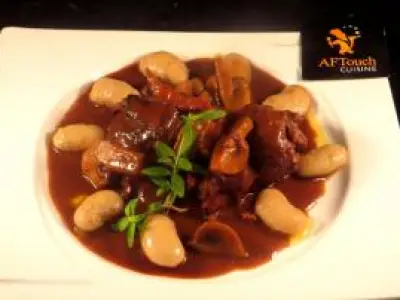
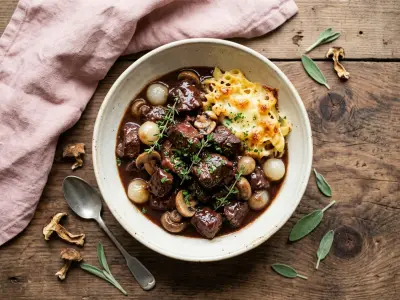
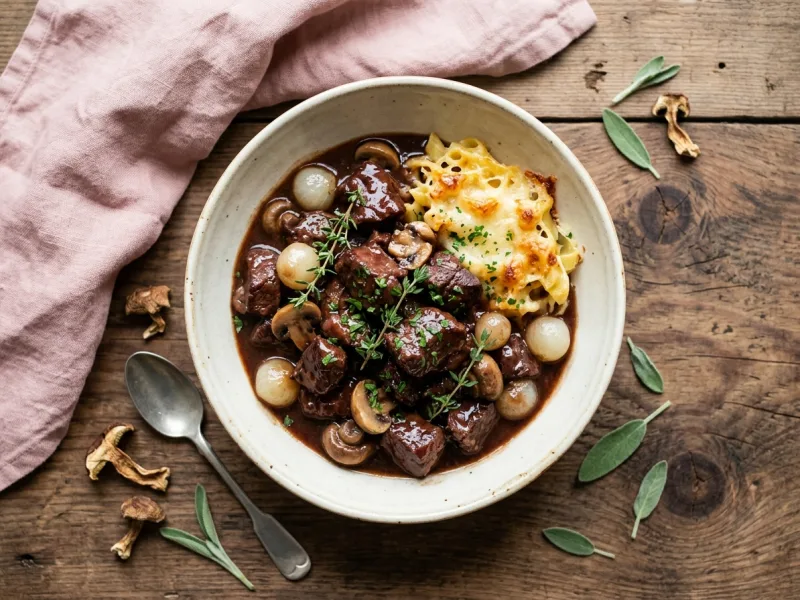
Civet de lièvre is one of the great classics of French gastronomy, a dish that evokes both the nobility of tables past and the authenticity of country kitchens. If you've never had the chance to prepare this prestigious dish, know that you're about to discover far more than a simple recipe: it's an entire culinary philosophy that you'll be exploring in your kitchen.
Historically, civet has its roots in hunting, a fundamental practice of medieval aristocracy. The term "civet" actually comes from "civé," which once meant "game stew." In those days, castle lords had to master the art of transforming freshly hunted hare into a dish worthy of their guests. This tradition has been passed down through the generations, moving from royal kitchens to bourgeois tables, before becoming the gastronomic heritage we know today.
What makes civet de lièvre particularly fascinating is its ability to elevate the sometimes robust flesh of game. The secret lies in the subtle marriage of spices, red wine and the animal's blood, which creates a rich, velvety and complex sauce. This is precisely why Burgundy's regional cuisine embraced it with such conviction. Moreover, bob01 was spot on in sharing his judicious suggestions for enhancing his Oeufs en Meurette with blackberry cream, proving that great Burgundian sauce techniques are universally applicable in our kitchens.
Today, civet de lièvre remains an essential dish at festive meals, the one that transforms an ordinary table into a memorable occasion. Hare meat, firmer and more flavorful than rabbit, lends itself beautifully to long, steady cooking. It becomes tender, exquisite, literally melting on the tongue. And when you discover how chefs like Patrick Asfaux propose to tame this wild beast in the kitchen, you realize that cooking is never anything but a patient dialogue between the ingredient and the cook.
The variations you'll find here reflect the most authentic regional interpretations. Whether it's the Civet de lièvre à la Française in its classic version or more personal variations, each recipe deserves your attention. You'll discover how the accompaniment plays a crucial role: a Fausse Purée de châtaignes brings incomparable sweetness, while Oeufs mollets traités à la vigneronne offer undeniable gastronomic elegance to your plate.
Preparing a civet does take time, certainly, but that's precisely what gives it value. It's not a dish for the impatient, it's a dish for those who love to tell a story through their cooking, who take pleasure in watching the colors evolve, the aromas develop, the sauce reach its perfect consistency. It's a dish that deserves a Sunday with family, a properly set table, guests ready to celebrate the occasion.
So, are you ready to take the plunge and become the cook who transforms game into treasure yourself? Our recipes will help you do it, step by step.