Provençal Cuisine Recipes - AFTouch-Cuisine
Ah, Provence! Just say the word and you can practically hear the olive oil singing in the pan, smell the thyme perfuming the kitchen, and feel the sun warming your plate. Provençal cuisine is far more than just regional gastronomy, it's a way of life, a philosophy of good eating that has survived the centuries without aging a day. And believe me, after forty years at the stove, I can tell you this is a cuisine that never lies, it's generous, sincere, and it smells like the Mediterranean.
Historically, Provençal cuisine draws its roots from Greco-Roman tradition. The Phoenicians brought the vine and the olive tree to Marseille 2,600 years ago, laying the two pillars of this sun-soaked gastronomy. In the Middle Ages, the Popes of Avignon enriched the Provençal table with Italian influences, while the spice trade through the port of Marseille brought saffron, cinnamon, and nutmeg into everyday dishes. It is this rich history that gives this cuisine its depth and complexity.
The secret of Provençal cuisine rests on a few essential ingredients, olive oil, never butter, garlic, sun-ripened tomatoes, herbs of Provence like thyme, rosemary, savory, and oregano, and of course vegetables from the market. It's a market cuisine, really, one that respects the seasons and doesn't cheat with its ingredients.
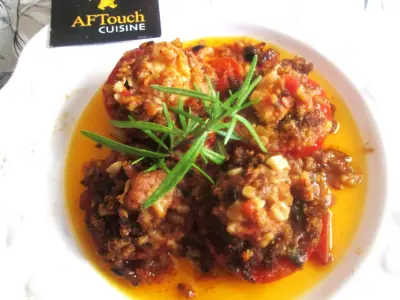
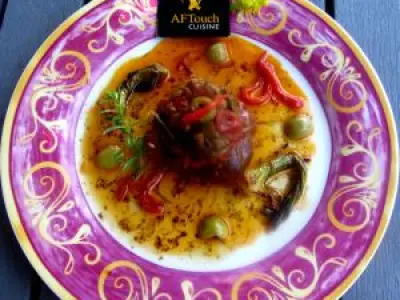
Among our recipes, Tomates à la provençale embodies this philosophy perfectly, a dish of disarming simplicity, but whose result depends entirely on the quality of the tomatoes. Take them fully ripe, at the height of summer, and you'll see, it's a completely different dish from one made with hothouse tomatoes in January. Artichauts farcis à la barigoule is another classic I'm particularly fond of. Barigoule, originally, was the name of the delicious milk cap in Provençal, a mushroom that was stuffed inside the artichoke. Today, the stuffing has evolved, but the spirit remains, we work the vegetable with respect, cook it slowly, and serve it lukewarm with a drizzle of olive oil.
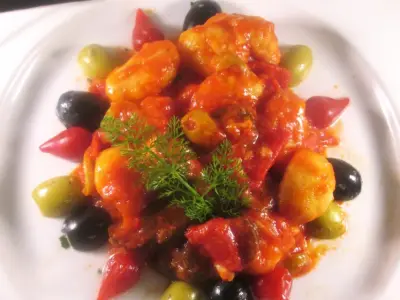
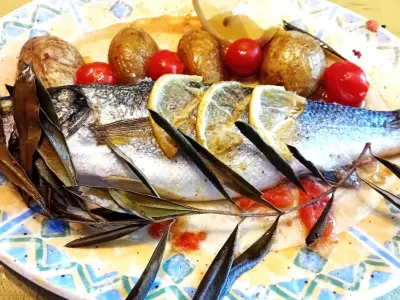
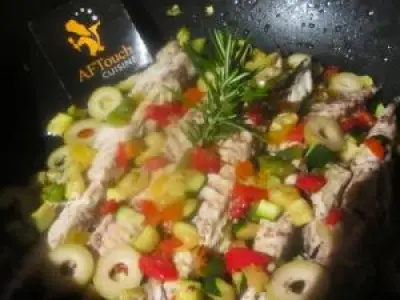
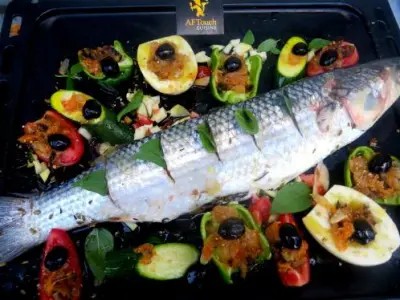
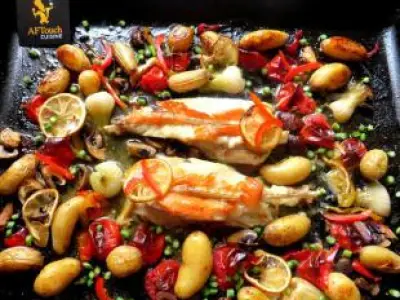
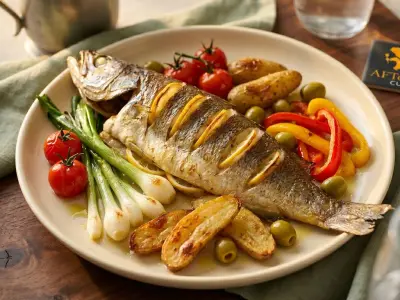
Provence is also the sea. And what a sea! Filets de maquereaux de ligne à la provençale illustrate this marriage between land and sea that makes this cuisine so powerful. Mackerel, a fish too often dismissed, becomes a marvel when treated with tomatoes, olives, and a hint of wild fennel. Moules à l'aioli tells another story, one of those grand gatherings on Fridays when the whole village would gather around a mortar of aioli, that mythic garlic and olive oil sauce that is to Provence what mayonnaise is to the rest of France, only so much better.
Grecque de légumes à la Provençale deserves a closer look. This cooking method, inherited from Ottoman influences via Greece, consists of cooking vegetables in a court-bouillon flavored with white wine, lemon, and coriander seeds. It's a preparation served cold as an appetizer, and it's a lesson in culinary intelligence, simple, elegant, fragrant.
Let's not forget Crépinette de merguez à la niçoise and Niçoise de haricots de Soissons et poêlée de Saint-Jacques, which show that Provençal cuisine knows how to reinvent itself too. Nice, with its Italian influences and its tradition of the pan bagnat, brings its own particular touch to the greater Provençal family.
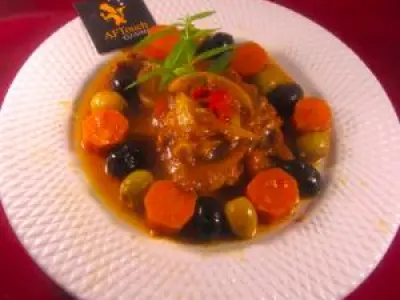
And for curious gourmands, Rouelles de veau à la provençale proves that one can also make grand meat cuisine in Provence. Veal, braised slowly with tomatoes, olives, and herbs, becomes so tender it can be cut with a spoon. It's the kind of dish that simmers all afternoon, filling the house with a fragrance that will drive you mad.
A chef's advice, Provençal cuisine won't tolerate rushing. The garlic must brown gently, the tomatoes must confit slowly, the herbs must infuse peacefully. Take your time, the way one takes time in Provence, and your dishes will have that authentic taste, the taste of sunshine on the plate.