Hare Recipes - AFTouch-Cuisine
Hare is a noble meat, almost legendary in French gastronomy. Unlike rabbit, a domestic and docile animal, wild hare possesses darker flesh, more flavorful, almost mysterious. For centuries, this creature of fields and forests has fascinated hunters and cooks alike. Suffice it to say it deserves a place of prestige on your plates and in the heart of any passionate cook.
Historically, hare is the hallmark of classical French gastronomy. Recipes featuring it have been coveted since the Middle Ages, when this game was served at royal and noble tables. The Italian Renaissance celebrated it, French cuisine transfigured it. In the nineteenth century, Carême and Escoffier turned it into culinary masterpieces, each seeking to elevate this precious meat. Even Alexandre Dumas, in his "Dictionary of Cooking," devotes entire pages to this noble game. Here is an ingredient that has inspired the greatest chefs in history.
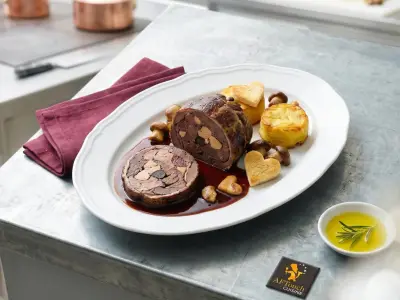
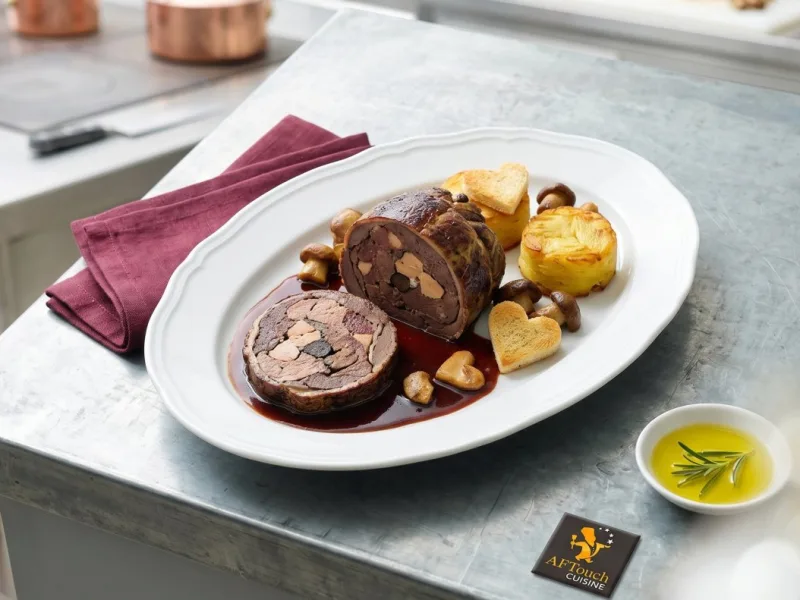
What characterizes hare is its intense flavor, slightly wild, which demands to be respected. It will not tolerate simplicity or improvisation. One then understands why the great classical recipes grow more complex around it. The Lièvre à la royale embodies this philosophy perfectly: an ambitious recipe, rich, requiring time and technique. Dubarry understood this well in calling it royal, and the clever freezing trick after butchering shows how this major recipe can integrate into our modern lives.
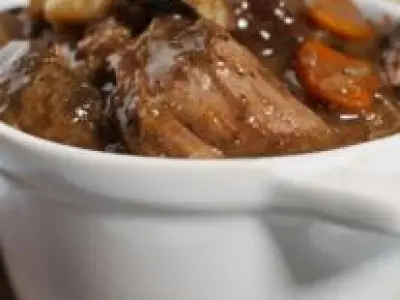
But if you're looking for something a little less intimidating to begin with, Civet de lièvre is your ally. This rustic and comforting recipe transforms hare into a savory stew where the meat becomes tender, honeyed, coated in a rich and creamy sauce. It's the recipe that reconciles the hesitant with this prestigious game. The Civet de lièvre à la Française, in its regional variant, also offers an authentic and generous approach, one that warms winters and brings people together around the table.
The accompaniment matters enormously. Sauce aux cerises selon Escoffier is the quintessential classical example: the acidity of cherries answers the power of the meat, creating a subtle balance. This sauce, born from Escoffier's own wisdom, transforms the dish into a gustatory symphony. And for lovers of delicacy, Poires au cassis offer a fruity and elegant counterpoint, sweet and slightly astringent.
Cooking hare means making your own a French culinary heritage both prestigious and accessible. It also means acknowledging that this demanding meat requires respect, time, and ingredients worthy of it. On AFTouch-Cuisine, we offer you the recipes that have proven themselves, passed down and reinvented by the greatest names in cuisine. So, ready to take up the challenge? Your table will thank you.