French Toast Recipes - AFTouch-Cuisine
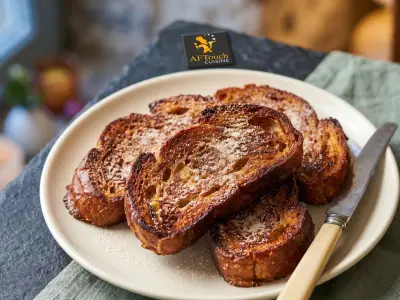
Pain perdu is one of those recipes that transcends generations and continents, a true ambassador of shared cuisine and resourceful cooking. Have you ever thought that this humble dessert, which we serve today at the end of a meal, was once a practical necessity? In the Middle Ages, stale bread was a treasure never thrown away, the very concept didn't even exist! Clever cooks quickly understood that by dipping old slices in milk and eggs before browning them in a pan, you could create something delicious. Necessity bred invention, and invention bred indulgence.
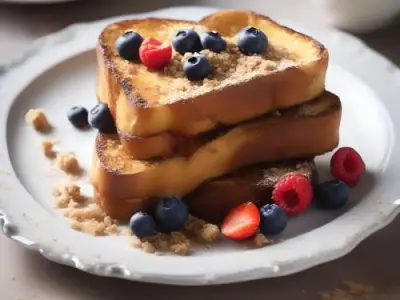
In France, we call it pain perdu, while the English say "French Toast," ironically! In the United States, this dish has become a Sunday breakfast staple, topped with berries and maple syrup. The Spanish have their "torrijas," often soaked in white wine or orange syrup. Each culture has added its own personal touch to this generous recipe, proof that simplicity is universal.
What makes pain perdu so magical is its absolute versatility. It's a dessert that adapts to your cravings, your pantry, and your imagination. You can prepare it sweet or savoury, rich or light, classic or gourmet. Our selection of recipes actually demonstrates this incredible variety: Croûtes Dorées for those nostalgic about simple flavours, Pain Perdu à la chapelure d'épices for those who love spicy surprises, or Pain perdu au chocolat noir, which regularly delights our visitors. Moreover, A.F.Touch is always keen to tell us how much this last recipe excites them, which says a lot about the work of the AFTouch-Cuisine teams in providing you with impeccable versions.
The secret to excellent pain perdu lies in a few simple yet crucial details. First, the choice of bread: slightly stale bread, not too old, with a dense crumb (a baguette is better than a brioche for this reason). Next, the balance of soaking, just long enough for the bread to absorb the flavours without becoming a soggy sponge. Then comes cooking over gentle, steady heat, in fresh butter preferably, to achieve that golden, crispy crust that deliciously contrasts with the soft interior.
In our section you'll discover varied approaches: the timeless and comforting Pain Perdu, the creative Pain Perdu à ma façon which will encourage you to adapt according to your preferences, and other variations that will appeal to all palates. Whether it's a quiet Sunday with family, brunch with friends, or a sudden afternoon craving for something sweet, pain perdu will always be there, loyal and delicious.
So don't wait any longer: explore these recipes, try them, modify them, make them your own. Pain perdu awaits you, with the promise of that unique texture that's just waiting to melt on your tongue.

-1318.jpg.webp)