Shortbread cookies Recipes - AFTouch-Cuisine
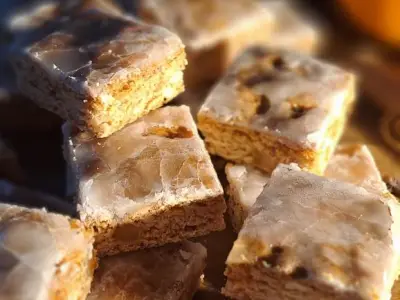
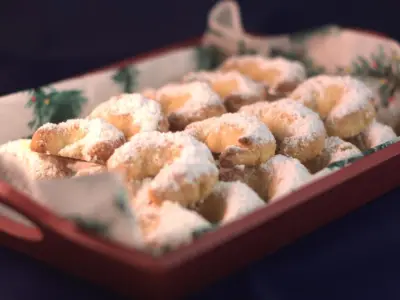
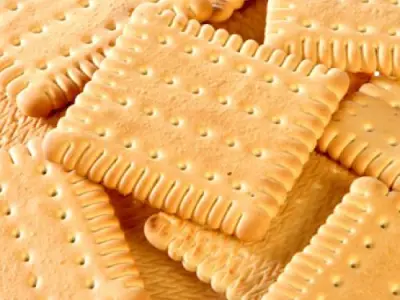
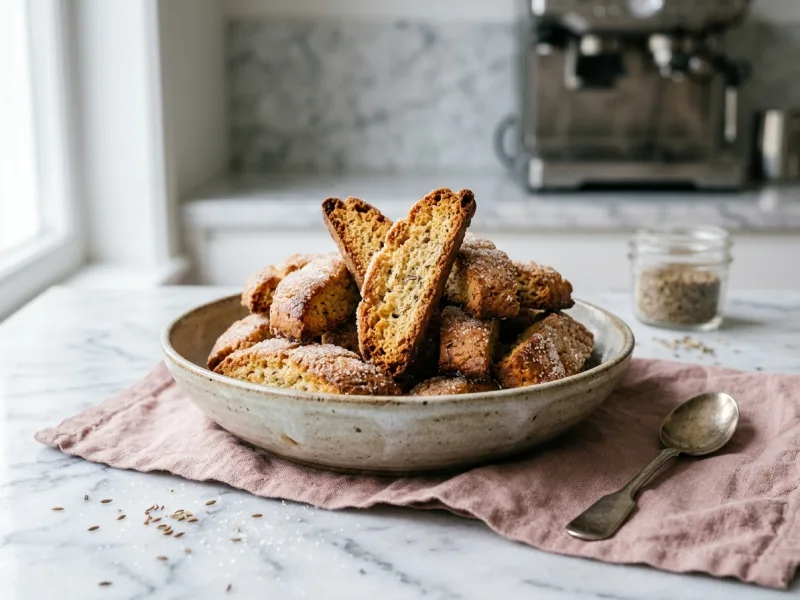
Dry biscuits are those little wonders that lulled us through childhood, that slip into a biscuit tin for afternoon snacks, and that gracefully accompany a cup of coffee or tea at the end of a meal. Far more than a simple indulgence, they represent a deep culinary tradition, that of home patisseries where each country, each region has developed its own classics.
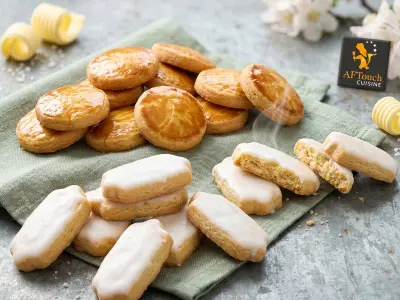
In France, Sablés bretons reign as undisputed masters. These small butter biscuits, rich and generous, come from Brittany, a region that has always known how to value simple yet quality ingredients. The name "sablé" comes from the deliciously crumbly texture of the biscuit, which practically crumbles between your teeth. It's a craft that demands precision, the perfect balance between proportions, butter temperature, and baking time. A science we'd like to help you master.
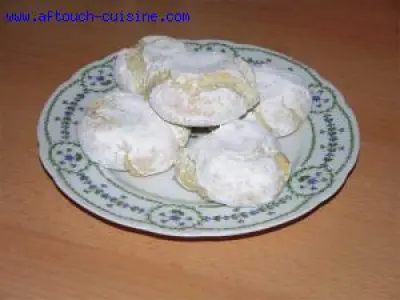
The Italians, meanwhile, have developed a passion for Amarettis, these little almond cakes that release a subtle aroma of bitter almond. Originating from Saronno in Lombardy, they possess a fascinating history dating back to the 18th century. As Claude-Alain Anker shares in his comment on this recipe, precise measuring of ingredients is crucial to achieve the perfect result, "For 14-15 Amarettis to serve with coffee, you must precisely measure 60g of egg white, 300g of icing sugar and 300g of ground blanched almonds." It's this kind of wisdom shared by our visitors that enriches this community of cooking enthusiasts.
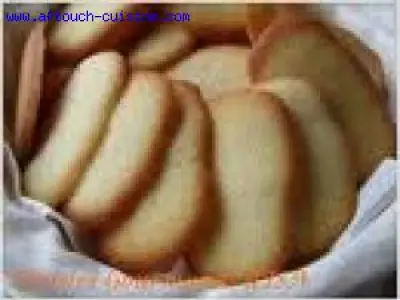
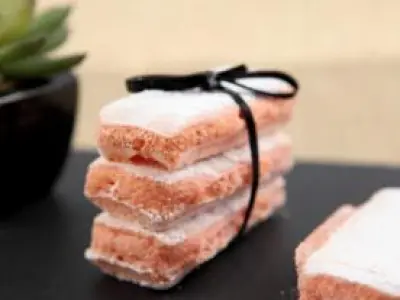
But dry biscuits are also about the lightness of Langues de chat, those thin and delicate biscuits that owe their name to their elongated shape. Originating from Belgium, they're perfect for those who prefer a less rich, airier pastry. And what about Cigarettes russes? Despite their exotic name, they're actually French rolled biscuits, wonderfully crispy, that require a certain dexterity to shape correctly. You must roll the dough while it's still hot, a little dance between speed and delicacy.
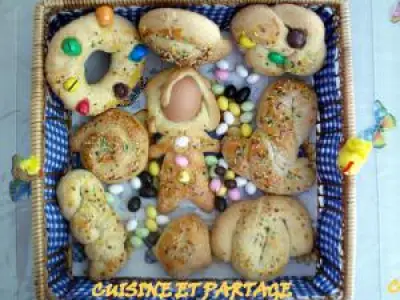
Throughout the seasons, dry biscuits reinvent themselves. Traditional Easter cakes are the perfect illustration. These festive recipes, passed down through generations, mark the culinary calendar. They often use seasonal ingredients, spring flavours or important religious symbols. It's a way of celebrating, sharing, creating memories around the table.
What fascinates about dry biscuits is their versatility, you can serve them at a children's snack time, slip them into a lunch box, offer them as a little sweet gift, or simply enjoy them alone with a moment of well-being. They keep well, which once made them precious allies for families. Even today, they retain this charm of elegant simplicity.
Through the recipes we offer you, discover or rediscover these timeless classics. Each one hides its little secrets, its tips for success, its possible variations. Don't hesitate to make these recipes your own, to adapt them to your taste, and above all, to share your results and discoveries with our community. After all, it's together that cooking truly makes sense.