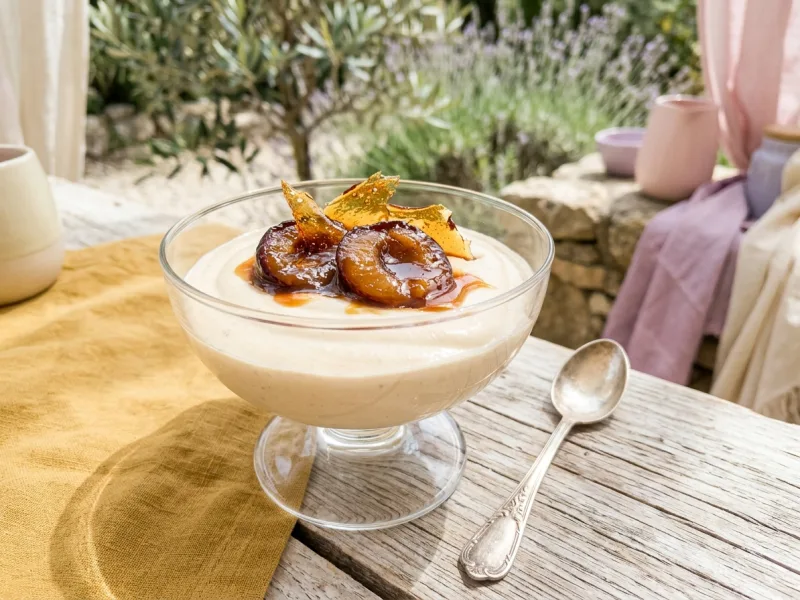
Prunes Recipes - AFTouch-Cuisine
Prunes are those little wrinkled marvels that have crossed the centuries with the grace of great classics. Fruits of the plum tree dried in the sun, they embody a form of culinary wisdom: patience transformed into flavour. Originating in the Middle East, they travelled to Aquitaine and Provence, where they took root so deeply that they became essential to local traditions. Today, Agen remains the world capital of prunes, with a production that honours generations of craftsmanship.
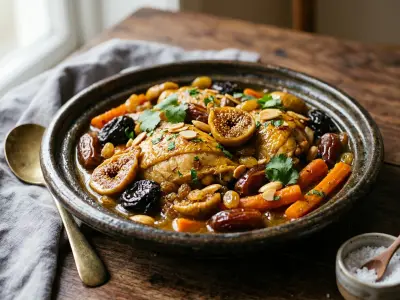
What fascinates about prunes is their astonishing versatility. Sweet but not naively so, rich without being heavy, they pair with equal elegance to both sweet and savoury dishes. A quality that few ingredients possess so naturally. In traditional French cuisine, they play discreet starring roles: sometimes hidden in an elegant terrine, sometimes simmered gently to enhance the flavour of meat. They possess that rare gift of elevating a dish without ever dominating it, of bringing a depth that contemporary cuisine has perhaps forgotten too often.
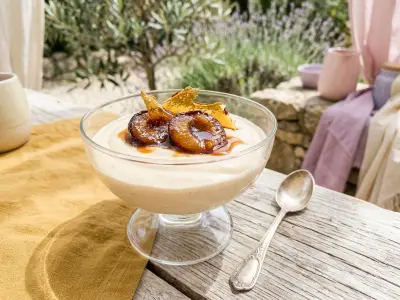
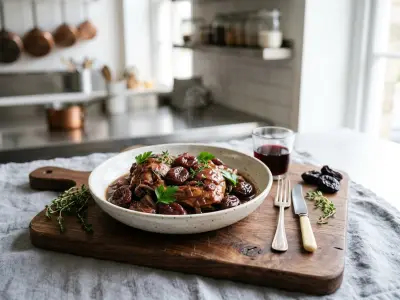
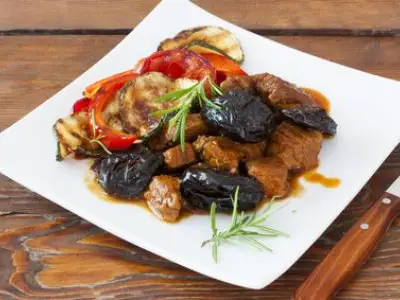
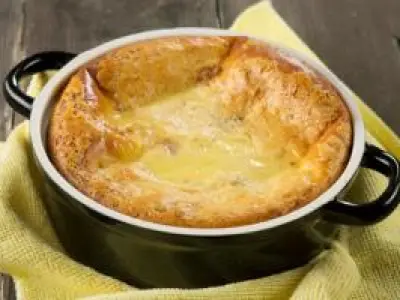
At AFTouch-Cuisine, we love prunes for exactly these reasons. You'll find them in our most generous recipes: Lapin aux pruneaux, where the delicate flesh of rabbit dialogues with the fruit's sweetness, Ragoût de veau au café et pruneau, where the slightly bitter edge of coffee creates subtle harmony, or Flaugnarde périgourdine aux pruneaux, that forgotten dessert which truly deserves a second life on your table.
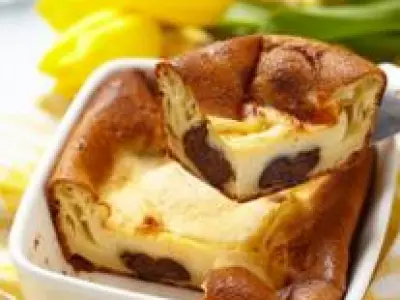
But it is truly in Brittany that prunes reveal all their poetry. The Far aux pruneaux is a classic worth pausing over for a moment. Chef Patrick understood this well in sharing his enthusiasm for this recipe: "you see, one can be from a particular region, after all! The various fars were once consumed only in Lower Brittany and many of their recipes have been abandoned..." His comment reminds us how these modest dishes are in fact guardians of memory, witnesses to an authentic cuisine we simply must not lose.
Prunes also bring an interesting nutritional dimension. Rich in fibre, antioxidants and minerals, they are far more than simple gustatory pleasure: they are a genuine ally for wellbeing. Our grandmothers knew this instinctively, they who prescribed them as a natural remedy with the same conviction as the doctors of old.
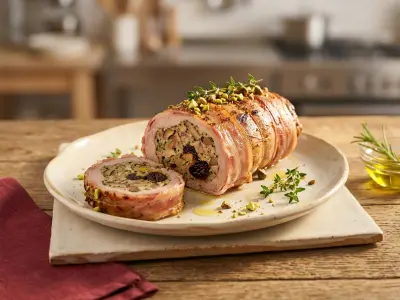
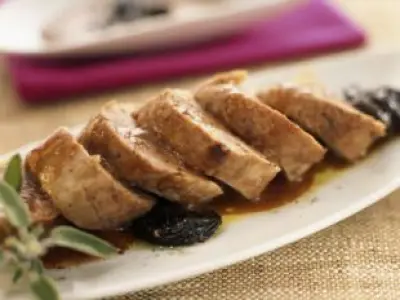
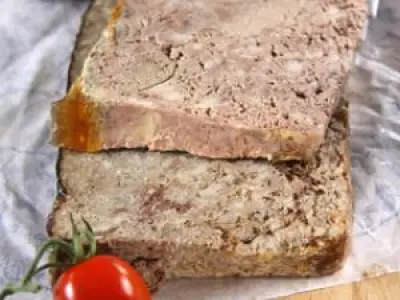
If you're still hesitant, let yourself be tempted by Pâté Prosnes, where prunes slip in discreetly but effectively, or by Filet mignon de porc moutarde et pastis, where they find a savourful balance between the character of pastis and the sweetness of mustard. Even Civet de mou de porc welcomes prunes as a natural ingredient, their integration into French cuisine has run so deep.
In cooking as in philosophy, the small things often overlooked are those that contain the most wisdom. Prunes are living proof of this.