Sauternes
South-West FranceSauternes
Sauternes is undoubtedly the world's most prestigious botrytized wine. Produced in the Bordeaux wine region on the left bank of the Garonne, it is born from the blending of three noble grape varieties: Semillon, which brings roundness and unctuousness, Sauvignon Blanc, which imparts freshness and aromatic liveliness, and Muscadelle, which adds delicate floral notes. What renders Sauternes truly unique is the phenomenon of noble rot, Botrytis cinerea, a microscopic fungus that, under the very particular climatic conditions of the appellation with morning mists followed by afternoon heat, concentrates sugars and aromas in the berries. The harvest proceeds through successive selections, berry by berry, sometimes over several weeks, which explains the rarity and price of these nectars.
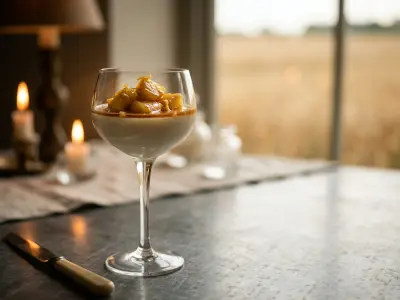
On the palate, Sauternes distinguishes itself through its deep golden hue that evolves toward amber with age. The nose reveals a complex bouquet of acacia honey, candied apricot, orange zest, white flowers, and saffron. On the palate, it presents a masterful balance between the power of residual sugar and vibrant acidity that prevents any heaviness. Great vintages develop notes of exotic fruits, crème brûlée, and roasted hazelnut after several years in the cellar.
The 1855 classification consecrated the greatest estates of the appellation. At its apex stands Château d'Yquem, the sole Premier Cru Supérieur, followed by First Growths such as Château Guiraud, Château La Tour Blanche, Château Lafaurie-Peyraguey, Château de Rayne-Vigneau, Château Suduiraut, Château Coutet, and Château Climens, the latter two located in Barsac, an appellation that may claim its own designation or that of Sauternes. Sauternes is an exceptional wine for cellaring: great vintages can improve for 50 years and beyond.
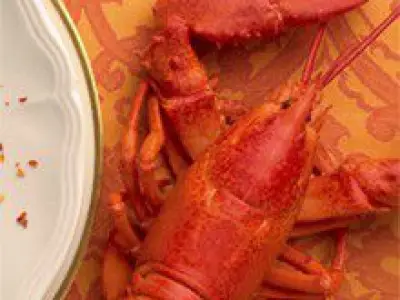
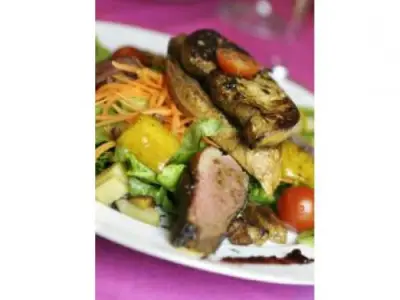
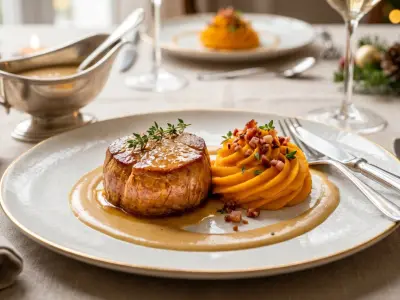
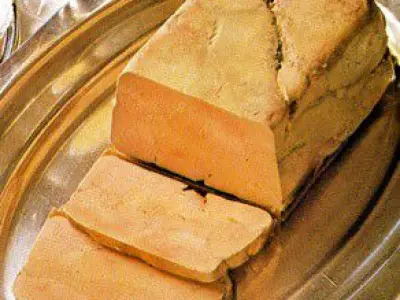
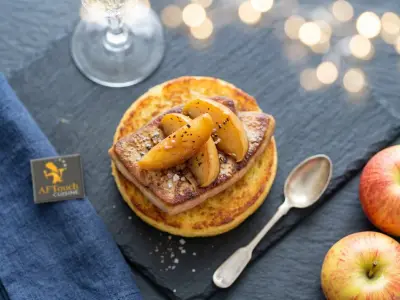
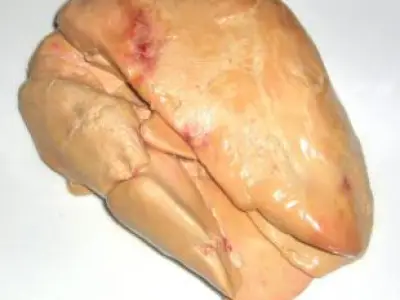
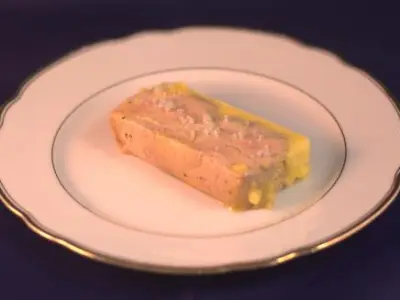
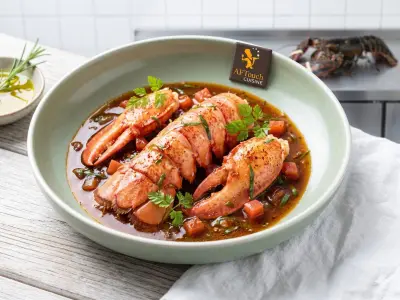
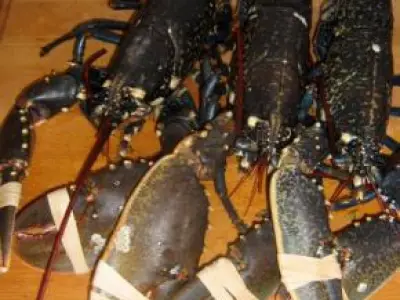
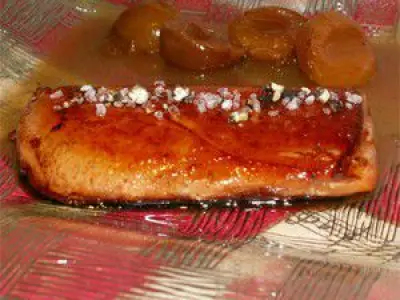
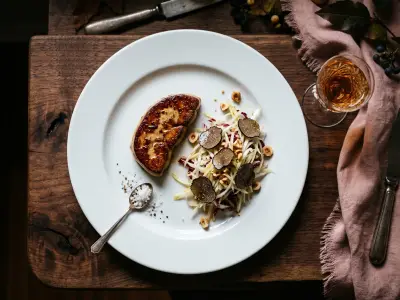
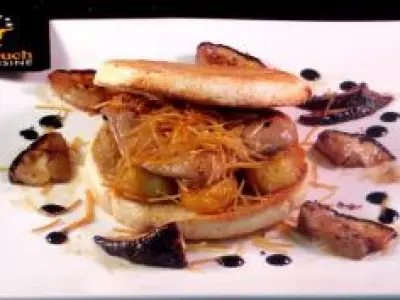
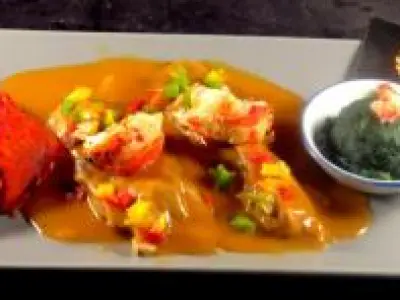
It is in the art of food and wine pairing that Sauternes reveals its full grandeur. The most celebrated pairing is with foie gras: the wine's richness marries perfectly with the unctuousness of the liver, while its acidity cuts through the fat on the palate. On our site, you will find this union in several preparations by Chef Patrick: Foie gras with onion confit, where the sweet-savory notes of the confit enhance the natural complementarity; Foie gras with Floc de Gascogne and grapes, a southern variation that echoes the sweetness of Sauternes; Pan-seared foie gras escalopes à la Normande, where rapid cooking brings striking textural contrast; or the impressive Foie gras and lobster cake, a luxurious pairing where the subtle iodine notes of the crustacean converse with the wine's honey notes. The traditionally prepared goose foie gras terrine remains the classic accompaniment par excellence.
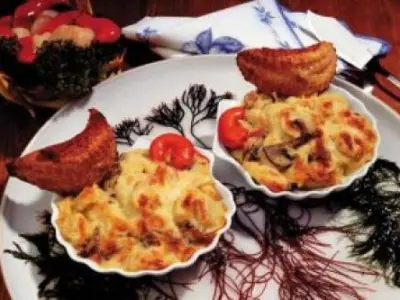
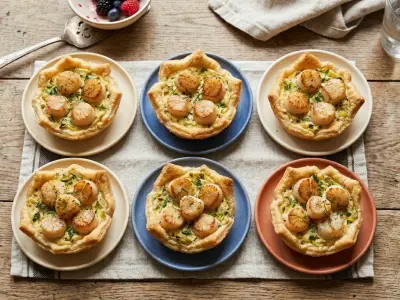
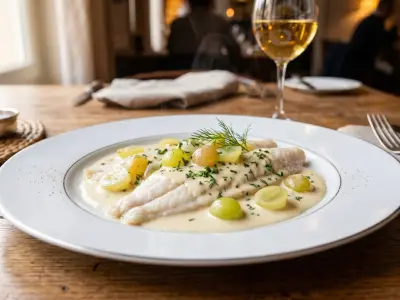
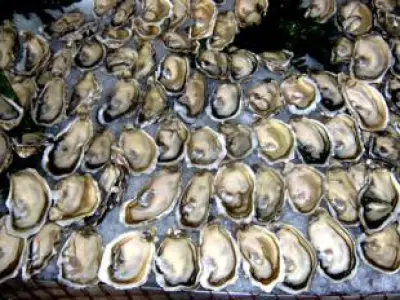
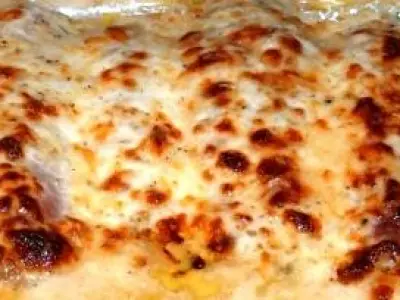
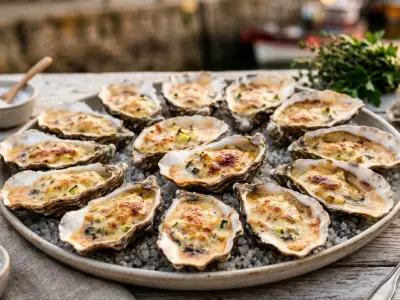
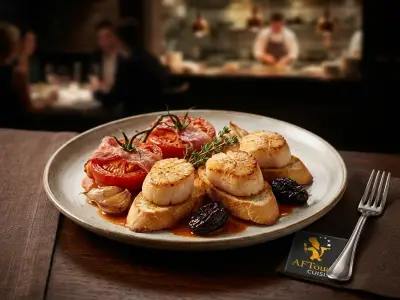
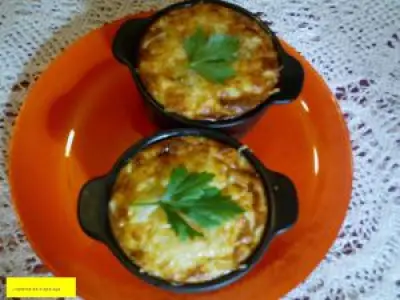
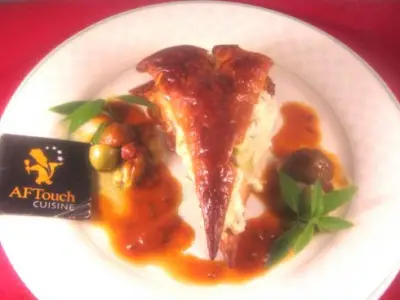
Sauternes also excels with seafood in creamy sauces. Gratinéed scallops find in this wine an ideal partner: the mollusk's sweetness, the golden gratin, and Sauternes' richness form a harmonious trio. The same principle applies to Saint-Jacques flamiche, a Picardy specialty where puff pastry and cream accord with the wine's buttery notes. Sole fillets in Sauternes cream illustrate the perfect pairing, the wine present both in glass and plate, creating remarkable aromatic resonance. Sole fillets from Gravelines prepared à la meunière, simply pan-fried in brown butter, also find in Sauternes a wine of choice. Warm oysters with Barsac sabayon present an audacious pairing where the iodine of the oysters meets the sweetness of the sabayon in a surprising and unforgettable union.
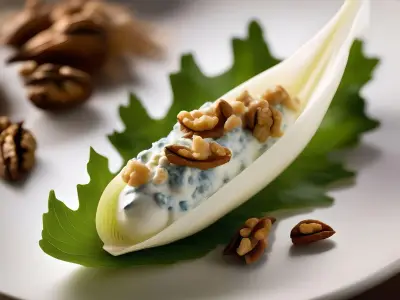
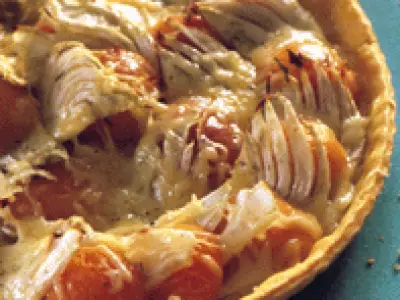
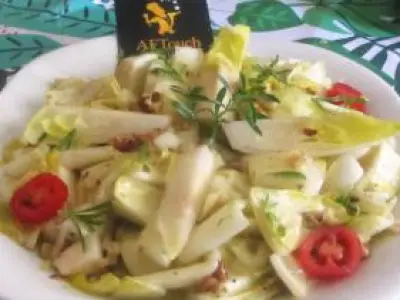
With cheeses, Sauternes creates legendary pairings. Endives with Roquefort and walnuts exemplify this perfectly: the power of Roquefort, the crunch of walnuts, and the discreet bitterness of endive find in Sauternes a subtle equilibrium. Goyère with Maroilles, a specialty of the north, forms an astonishing pairing where the cheese's intensity is tempered by the wine's sweetness.
Sauternes also pairs remark
Winemakers
SCEA DU CHATEAU LAMOTHE-DESPUJOLS
DESPUJOLS GUY SAUTERNES (33210) 05.56.76.67.89
www.lamothe-despujols.com